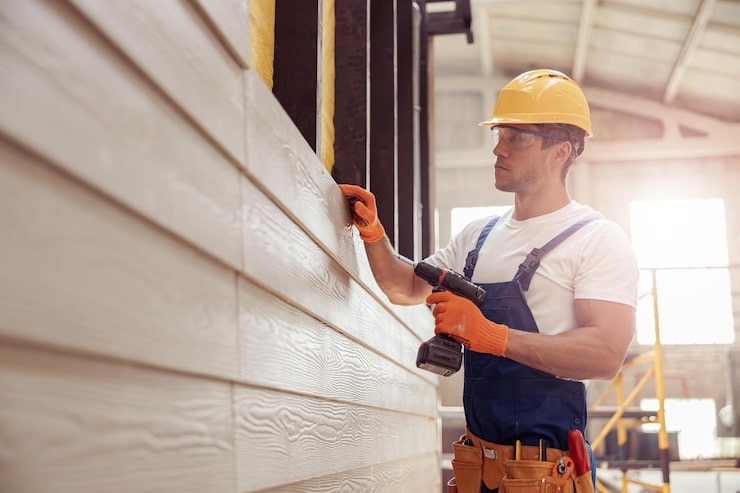


Maintaining your home’s exterior is essential for both durability and appearance. Siding plays a major role in protecting your property from weather damage while also enhancing curb appeal. At E2 Home Solutions, homeowners can find practical guidance and services related to exterior improvements, including siding, roofing, windows, and more. Understanding proper siding maintenance helps you preserve your investment and avoid costly repairs in the long run.
In this guide, we will explore seven practical siding maintenance tips that ensure long-lasting protection and a visually appealing home exterior.
Why Siding Maintenance Matters
Siding acts as the first line of defense against environmental elements such as rain, wind, UV rays, and temperature fluctuations. Without proper siding maintenance, small issues like cracks or mold growth can quickly escalate into structural damage.
Regular upkeep helps:
- Extend the lifespan of siding materials
- Prevent moisture intrusion and mold
- Maintain energy efficiency
- Improve overall home value
Proper maintenance also complements other exterior elements such as roofing and windows. For example, coordinating siding care with services like asphalt roofing installation ensures a well-protected structure.
1. Inspect Your Siding Regularly
Routine inspections are the foundation of effective siding maintenance.
What to Look For
Check your siding at least twice a year, ideally during spring and fall. Look for:
- Cracks, warping, or loose panels
- Fading or discoloration
- Signs of moisture damage or mold
- Gaps around seams and joints
Early detection allows you to address minor issues before they worsen.
When to Schedule Professional Inspections
If your siding is older or has experienced severe weather, consider professional evaluation. Experts can identify hidden issues that may not be visible to the untrained eye.
2. Clean Your Siding Properly
Cleaning is a simple yet effective siding maintenance step that significantly improves appearance and longevity.
Best Cleaning Methods
Use a garden hose and a soft brush to remove dirt, dust, and debris. For deeper cleaning:
- Use mild soap or a siding-specific cleaner
- Avoid harsh chemicals that can damage finishes
- Rinse thoroughly to prevent residue buildup
Pressure washing can be used carefully, but excessive pressure may damage certain materials like vinyl or wood.
How Often Should You Clean
Clean your siding at least once a year. Homes in areas with high humidity or pollution may require more frequent cleaning.
3. Address Repairs Immediately
Ignoring small issues can lead to larger, more expensive problems.
Common Repairs
- Replacing cracked or broken panels
- Sealing gaps and joints
- Fixing loose siding pieces
Prompt repairs prevent water infiltration, which can damage insulation and interior walls.
When Replacement Is Necessary
If multiple sections are damaged or your siding is nearing the end of its lifespan, replacement may be more cost-effective. Learn more about energy-efficient options at siding installation for energy efficiency.
4. Protect Against Moisture Damage
Moisture is one of the biggest threats to siding durability.
Prevention Tips
- Ensure proper drainage around your home
- Keep gutters and downspouts clean
- Trim vegetation near siding to reduce moisture retention
Check for Mold and Mildew
Dark spots or musty odors may indicate mold growth. Cleaning and sealing affected areas quickly can prevent further spread.
Moisture protection also works in tandem with other home systems like windows. Proper sealing from services double hung window installation can reduce water intrusion risks.
5. Repaint or Reseal When Needed
Depending on the siding material, repainting or resealing may be necessary.
Signs It’s Time to Repaint
- Peeling or chipping paint
- Faded color
- Exposed material underneath
Benefits of Repainting
- Enhances curb appeal
- Provides an extra layer of protection
- Extends the lifespan of siding materials
Wood siding typically requires more frequent maintenance, while vinyl siding may only need occasional touch-ups.
6. Maintain Proper Ventilation
Good ventilation helps prevent moisture buildup behind siding.
Why Ventilation Matters
Poor airflow can trap moisture, leading to:
- Mold growth
- Rotting materials
- Reduced energy efficiency
How to Improve Ventilation
- Ensure attic and wall ventilation systems are functioning properly
- Check vents for blockages
- Consider upgrades if your home lacks adequate airflow
Proper ventilation complements insulation and other systems, improving overall home performance.
7. Schedule Periodic Professional Maintenance
While DIY care is important, professional maintenance ensures comprehensive protection.
What Professionals Provide
- Detailed inspections
- Advanced cleaning techniques
- Expert repairs and replacements
When to Call Experts
Consider professional help if:
- You notice widespread damage
- Your siding is aging
- You want to upgrade materials
You can also reach out directly through the contact page to discuss your specific needs.
How Siding Maintenance Improves Curb Appeal
Beyond protection, siding maintenance significantly enhances your home’s appearance.
A clean and well-maintained exterior:
- Creates a positive first impression
- Increases property value
- Complements landscaping and architectural design
Coordinating siding with other exterior features like roofing and even bathroom upgrades Wolf shower installations contribute to overall home improvement consistency.
Common Siding Materials and Their Maintenance Needs
Different siding materials require specific maintenance approaches.
Vinyl Siding
- Low maintenance
- Requires periodic cleaning
- Resistant to moisture
Wood Siding
- Requires regular painting or staining
- Prone to moisture damage
- Needs frequent inspections
Fiber Cement Siding
- Durable and long-lasting
- Requires occasional repainting
- Resistant to pests and fire
Understanding your siding type helps you tailor your maintenance routine effectively.
Seasonal Siding Maintenance Checklist
Keeping a seasonal checklist ensures consistent care.
Spring and Summer
- Clean siding thoroughly
- Inspect for winter damage
- Repair cracks and gaps
Fall and Winter
- Remove debris and leaves
- Check insulation and sealing
- Prepare for harsh weather conditions
Seasonal maintenance helps prevent sudden damage and keeps your home protected year-round.
Conclusion
Siding maintenance is essential for protecting your home and maintaining its visual appeal. By following these seven tips, you can extend the lifespan of your siding, prevent costly repairs, and improve overall property value.
Regular inspections, cleaning, timely repairs, and professional support all contribute to long-lasting protection. When combined with proper care of other exterior elements like roofing and windows, siding maintenance becomes a key part of a well-maintained home.
FAQ Section
How often should siding be maintained?
Siding should be inspected twice a year and cleaned at least once annually. Additional maintenance may be needed depending on climate and environmental conditions.
Can I pressure wash my siding?
Yes, but it should be done carefully. High pressure can damage certain materials, so use a low-pressure setting or consult a professional.
What are the signs of siding damage?
Common signs include cracks, warping, discoloration, mold growth, and loose panels. Early detection helps prevent more serious issues.
Does siding maintenance improve energy efficiency?
Yes, properly maintained siding helps prevent air leaks and moisture intrusion, improving insulation and reducing energy costs.
When should siding be replaced instead of repaired?
Replacement is recommended when damage is widespread, the siding is aging, or repairs become frequent and costly.