
Storm damage can leave exterior siding cracked, dented, loose or completely detached from a home. Strong winds, hail, fallen branches and flying debris can all affect siding, but the visible damage does not always tell the whole story. Some problems can be repaired without replacing an entire section, while more serious damage may require new siding.
For Wisconsin homeowners, deciding between repair and replacement also means considering seasonal weather, moisture exposure and the condition of the existing siding. A careful inspection can help determine the most practical solution rather than relying only on the appearance of the damaged area.
E2 Home Solutions works with homeowners on exterior home improvement needs, including siding-related projects. Understanding what to look for after a storm can help homeowners have a more informed discussion with a siding installer or siding contractor before work begins.
How Storms Can Damage Home Siding
Different types of storms can affect siding in different ways. Hail may create dents or small cracks, while high winds can loosen panels, damage fasteners or pull sections away from the wall. Falling branches can cause more concentrated impact damage, sometimes affecting the siding and the underlying wall at the same time.
Water is another concern. When siding becomes cracked, displaced or detached, moisture may be able to reach areas that are normally protected. If water gets behind the siding, the problem may become more serious than the visible exterior damage suggests.
The age and material of the siding also matter. Older siding may already have fading, brittleness or previous repairs, which can make storm damage more difficult to address with a simple patch.
When Siding Repair May Be Enough
Not every damaged siding panel needs to be replaced across the entire exterior. If the damage is limited to a small area and the surrounding siding remains structurally sound, a targeted repair may be appropriate.
A repair may make sense when the siding has minor cracks, isolated dents or a small number of loose panels. The underlying wall should also be in good condition, with no evidence of significant moisture intrusion or structural damage.
Minor Cracks and Localised Damage
Small areas of damage can sometimes be repaired without disturbing large sections of the exterior. The appropriate repair method depends on the siding material, the location of the damage and the condition of nearby panels.
However, repairs should not simply cover visible problems. A qualified professional should assess whether the damaged section is properly attached and whether moisture has entered behind it.
Loose or Displaced Panels
High winds can cause siding panels to move out of position without necessarily destroying the material. If the panel is still in usable condition, it may be possible to secure or reposition it.
The fasteners and surrounding panels should also be inspected. Reattaching one panel without addressing the reason it became loose could leave the exterior vulnerable to another storm.
When Siding Replacement Is the Better Option
There are situations where replacing damaged siding is more practical than repairing it. Extensive cracking, major impact damage, widespread deterioration and repeated problems can all indicate that replacement should be considered.
Siding replacement services may also be appropriate when matching the existing material is difficult. If the siding has been exposed to the weather for many years, a replacement panel may have a noticeably different colour from the surrounding exterior.
Extensive Cracking or Breakage
When multiple panels are cracked, broken or severely deformed, repairs may become less effective. Damaged siding can also affect the home’s ability to keep moisture away from the wall system.
A professional assessment can determine how much siding actually needs to be replaced. This does not necessarily mean replacing every panel on the house.
Repeated Storm Damage
If the same sections of siding have required repairs several times, replacement may provide a more practical long-term solution. Repeated damage can indicate that the existing material has become weakened or that certain areas are particularly exposed to wind and impact.
Replacing affected sections may also provide an opportunity to correct installation issues that contributed to previous damage.
Moisture Behind the Siding
One of the most important reasons to investigate storm damage is the possibility of moisture intrusion. Siding is part of the home’s exterior protection, but it works together with other components behind the visible panels.
Signs such as staining, swelling, soft areas, mould-like growth or persistent dampness can indicate that water has reached areas behind the siding. These issues should be evaluated before simply installing new exterior material.
Does the Type of Siding Affect the Decision?
Yes. Different siding materials respond differently to impact, moisture, temperature changes and repairs. The decision between repairing and replacing siding should therefore take the material into account.
Vinyl siding, for example, can crack or become displaced after significant impact. Individual panels may sometimes be replaced, although finding a close colour match can be difficult with older installations.
Fibre cement siding can be durable but may require replacement when a panel is significantly cracked or broken. Wood siding can sometimes be repaired when the damage is limited, but rot or prolonged moisture exposure may require more extensive work.
The condition of the surrounding siding is important regardless of material. A damaged panel surrounded by healthy, properly installed siding may be a straightforward repair. The same panel in an ageing or deteriorating exterior may be part of a larger problem.
What Should a Siding Installer Inspect After a Storm?
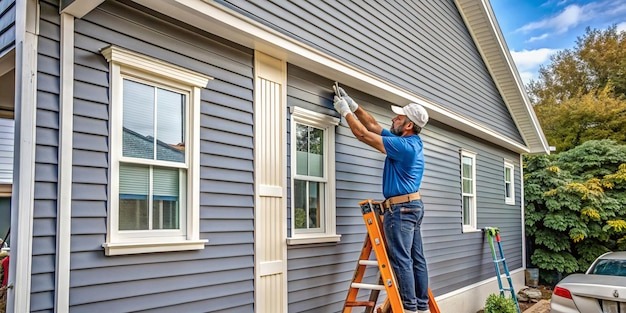
A thorough inspection should go beyond looking at the most obvious damaged panels. A siding installer should assess the exterior as a system and identify conditions that may not be immediately visible.
The inspection may include checking for loose panels, broken sections, damaged trim, exposed areas and gaps around windows and doors. The condition of the underlying surface should also be considered where the siding has been displaced or broken.
Check for Hidden Damage
Storm damage can sometimes extend beyond the area that was directly struck. Wind can affect attachment points, while water can enter through openings created by displaced panels.
Homeowners should therefore avoid assuming that a small visible defect is the only issue. An inspection can help identify whether the damage is isolated or part of a broader exterior problem.
Assess the Surrounding Siding
A damaged panel should be compared with nearby sections. If surrounding panels are brittle, faded or showing signs of deterioration, replacing only one small section may not provide the most suitable long-term result.
A siding contractor can assess the overall condition and explain whether a local repair, partial replacement or larger project is appropriate.
Repair Versus Replacement: What Wisconsin Homeowners Should Consider
Wisconsin homes experience significant seasonal weather changes, including cold winters, snow, ice, strong winds and temperature fluctuations. These conditions can place additional stress on exterior materials.
After storm damage, homeowners should consider more than the immediate appearance of the siding. The age of the siding, extent of damage, material availability and condition of the underlying wall can all influence the decision.
Repair is generally more suitable when damage is limited and the existing siding remains in good condition. Replacement becomes more relevant when damage is widespread, the material is deteriorating or the existing siding can no longer provide reliable exterior protection.
The goal should not simply be to make the damaged area look better. The solution should address the underlying problem and help the exterior continue performing as intended.
How Insurance May Factor Into Storm Damage Decisions
Homeowners dealing with storm damage may also need to review their insurance policy. Coverage can vary depending on the type of damage, policy terms, exclusions, deductibles and the circumstances surrounding the storm.
Before beginning major work, homeowners may want to document the damage with photographs and keep records of relevant communications and assessments. An insurance provider may have its own process for reviewing storm-related claims.
It is important to separate the insurance decision from the construction assessment. An insurer determines coverage according to the policy, while a qualified siding professional can assess the condition of the siding and explain the work that may be required.
Should You Replace All the Siding After Storm Damage?
Not necessarily. Whole-home siding replacement is not automatically required after a storm.
If the damage is limited to a few areas and replacement materials can be matched reasonably well, partial replacement may be sufficient. However, extensive damage across several sides of the home may make a larger replacement project more practical.
The age and availability of the existing siding are also important. If the original product has been discontinued, obtaining an exact match may be difficult. In that situation, replacing a larger area may produce a more consistent appearance.
A professional assessment can help determine the scope of work based on actual damage rather than assuming that the entire exterior needs to be replaced.
How to Prepare for a Siding Assessment
Before a siding professional arrives, homeowners can document what they can see from a safe location. Photographs of damaged panels, fallen branches, dents and loose sections can provide useful information about the extent of the storm’s impact.
It is also helpful to note when the damage occurred and whether there have been signs of water entering the home. Homeowners should avoid climbing onto roofs or attempting to remove damaged siding themselves, particularly when the storm may have affected other parts of the property.
When discussing the project with a siding contractor, ask what areas were inspected, what type of damage was identified and why repair or replacement is being recommended.
Choosing Between Siding Repair and Replacement
The decision should be based on the condition and extent of the damage rather than a single visible defect. A small crack does not always mean the entire siding system needs replacement, just as a few loose panels do not necessarily mean that the problem is minor.
Consider the age of the siding, the amount of damage, potential moisture intrusion, availability of matching materials and the condition of surrounding panels. These factors can help establish whether a repair is sufficient or whether replacement provides a more suitable solution.
For homeowners working with E2 Home Solutions, discussing these factors with a qualified professional can help clarify the appropriate scope of work. If further assessment is needed, homeowners can Contact us to discuss their siding concerns and determine the next steps.
Final Thoughts
Storm damage does not always mean that all siding needs to be replaced. In some cases, a targeted repair can restore a small damaged area. More extensive cracking, breakage, moisture intrusion, deterioration or repeated damage may make replacement the more appropriate option.
For Wisconsin homeowners, acting promptly after a storm can help prevent minor exterior problems from becoming larger issues. A careful inspection by a qualified siding professional can provide a clearer understanding of the damage and help determine whether repair or siding replacement services are appropriate.