
Choosing whether to remodel an existing bathroom or replace major parts of it can be difficult when you are planning a home improvement project. The right option depends on the condition of the bathroom, your priorities, available space, and the level of change you want to make. E2 Home Solutions provides bathroom improvement services that can help homeowners assess their needs and plan practical updates based on the existing space.
Before choosing between bathroom remodeling and full replacement, it is useful to understand what each approach involves. A remodel may focus on improving selected features while keeping much of the existing structure, whereas replacement can involve removing and rebuilding significant parts of the bathroom.
What Is Bathroom Remodeling?
Bathroom remodeling generally involves updating an existing bathroom without necessarily replacing every component. The scope can range from relatively simple improvements, such as replacing fixtures and finishes, to more substantial changes involving flooring, cabinetry, lighting, plumbing, or the shower area.
The main advantage of remodeling is flexibility. Homeowners can focus on the areas that need improvement instead of replacing everything at once. For example, an outdated vanity, damaged flooring, old lighting, or an inefficient shower can be addressed while other usable components remain in place.
A bathroom remodel service may therefore be appropriate when the underlying bathroom structure is still in reasonable condition and the homeowner wants to improve appearance, functionality, or comfort.
Common Bathroom Remodeling Projects
The exact scope varies from one bathroom to another. A remodeling project may include:
- Replacing a vanity or countertop
- Updating faucets and shower fixtures
- Installing new flooring
- Improving bathroom lighting
- Replacing mirrors and storage
- Updating shower surrounds
- Repainting walls and ceilings
- Improving ventilation
- Replacing selected plumbing fixtures
These changes can significantly affect the usability and appearance of a bathroom without requiring a complete reconstruction.
What Does Bathroom Replacement Involve?
Bathroom replacement is generally a more extensive approach. Instead of concentrating on selected features, replacement can involve removing existing components and installing new ones throughout much of the space.
The need for replacement may arise when important bathroom elements are severely damaged, outdated, or no longer suitable for the household. Persistent water damage, deteriorated materials, major plumbing problems, or an unsuitable layout may require more extensive work than a basic remodel.
A replacement project can also be considered when homeowners want to change the configuration of the bathroom. Moving a shower, changing the location of a vanity, or modifying the overall layout may involve additional construction and plumbing work.
When Replacement May Be More Practical
Replacement can make sense when the existing bathroom has widespread problems rather than isolated issues. For example, if several fixtures are reaching the end of their useful life and the bathroom also has damaged flooring and plumbing concerns, replacing multiple components together may be more practical.
The same applies when the existing design does not meet the household’s needs. A bathroom with inadequate storage, poor accessibility, or an inefficient layout may benefit from a broader redesign.
Bathroom Remodeling vs. Bathroom Replacement
The main difference between these approaches is the scope of work. Remodeling allows homeowners to target specific areas, while replacement generally involves a larger portion of the bathroom.
The condition of the existing space should be the first consideration. If the plumbing, walls, flooring, and major fixtures are in good condition, selective remodeling may be sufficient. If several structural or functional problems exist, a more comprehensive replacement may be appropriate.
The desired outcome also matters. Someone who wants a modern vanity, improved lighting, and updated fixtures may not need a complete bathroom replacement. In contrast, a homeowner who wants a completely different layout may need more extensive work.
How to Decide Which Option Is Right for Your Bathroom
There is no single solution that works for every bathroom. Assessing the existing space before making a decision can help prevent unnecessary work and unexpected changes during the project.
Assess the Condition of the Existing Bathroom
Start by examining the major components of the room. Look for signs of water damage, deteriorated flooring, damaged walls, leaking fixtures, outdated plumbing, or persistent moisture problems.
A bathroom that only has cosmetic issues may be a good candidate for remodeling. However, problems affecting several underlying components may require a broader renovation approach.
Consider the Layout
The existing layout can strongly influence the decision. If the position of the shower, toilet, vanity, and storage areas works well for your household, keeping the layout can simplify the project.
If the current arrangement creates accessibility problems or makes the room difficult to use, changing the layout may provide greater long-term value. More substantial layout changes may require additional plumbing and construction work.
Think About Long-Term Use
Consider how the bathroom needs to function several years from now. A bathroom designed for one person may not work as well for a growing household. Similarly, homeowners may need to consider accessibility and ease of use as their needs change.
Features such as walk-in showers, accessible storage, suitable lighting, and well-positioned fixtures can contribute to a more practical bathroom.
Review the Available Budget
Budget should be considered alongside the condition and scope of the project. Remodeling a few features can limit the amount of work required, while a full replacement typically involves more materials, labor, and construction.
It is useful to establish priorities before work begins. Separating essential repairs from optional design changes can make it easier to determine which approach fits the project.
Understanding Bathroom Renovation Scope
The term bathroom renovations can cover many different types of projects. It does not necessarily mean completely rebuilding the bathroom.
A renovation may include a combination of repairs, replacements, design improvements, and functional changes. For example, a homeowner may replace an old shower, install new flooring, improve storage, and update lighting while retaining the existing bathroom layout.
In other situations, renovations may involve more extensive construction. The scope should therefore be clearly defined before the project begins.
Cosmetic Updates vs. Functional Improvements
Cosmetic changes are primarily concerned with appearance. These may include new paint, finishes, mirrors, lighting, or decorative fixtures.
Functional improvements focus on how the bathroom works. Better storage, improved ventilation, updated plumbing fixtures, and a more practical shower arrangement can make a noticeable difference to daily use.
A well-planned renovation can combine both types of improvements without automatically requiring a complete replacement.
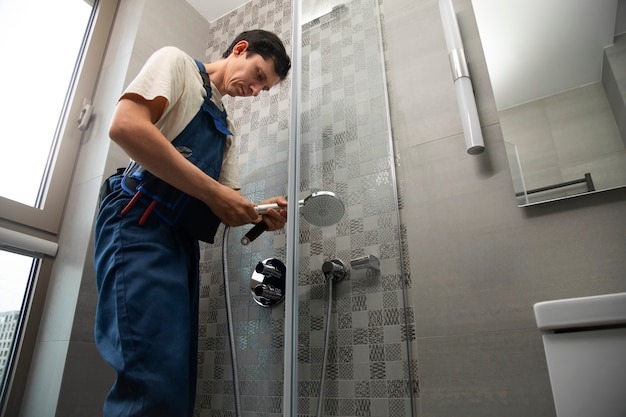
When Should You Hire a Bathroom Installer?
A qualified bathroom installer can help coordinate and complete various aspects of a bathroom project. Depending on the scope, installation may involve fixtures, flooring, cabinetry, shower components, and other bathroom elements.
Professional installation can also be important when the project involves plumbing, electrical work, waterproofing, or structural changes. These areas require appropriate planning and workmanship because mistakes can create problems beyond the initial installation.
Before starting work, homeowners should understand which tasks are included in the project and whether additional specialists are needed for specific parts of the renovation.
Questions to Ask Before Starting the Project
Taking time to clarify the project can help homeowners make better decisions. Consider the following questions:
What problems need to be fixed?
Identify repairs that should take priority over cosmetic improvements.
Can the existing layout remain?
Keeping the current arrangement may reduce the amount of construction and plumbing work required.
Which features are worth replacing?
Consider the age, condition, efficiency, and functionality of existing fixtures.
What will the bathroom need in the future?
Think about storage, accessibility, household changes, and everyday convenience.
What is included in the project scope?
A clear scope helps reduce misunderstandings about materials, installation, repairs, and finishing work.
How E2 Home Solutions Can Fit Into the Planning Process
E2 Home Solutions works with homeowners on bathroom improvement projects, including remodeling and renovation needs. Understanding the existing bathroom and defining the desired changes are important steps before deciding how extensive the work should be.
Rather than assuming that every outdated bathroom requires complete replacement, homeowners can evaluate the condition of the space, identify priorities, and determine which components can remain. For projects that involve more significant changes, the scope can be considered in relation to the layout, fixtures, materials, and installation requirements.
If you are assessing options for your bathroom, Contact us to discuss the project requirements and determine what type of work may be appropriate for the existing space.
Final Considerations
The choice between bathroom remodeling and bathroom replacement should be based on the actual condition of the bathroom and the changes you want to make. Remodeling can be suitable when selected features need updating, while a more comprehensive replacement may be justified when the bathroom has widespread problems or requires significant layout changes.
By assessing the existing structure, setting priorities, considering long-term needs, and defining the project scope, homeowners can make a more informed decision about their bathroom renovations. A professional assessment can also help identify which elements can be retained and which may need replacement.