
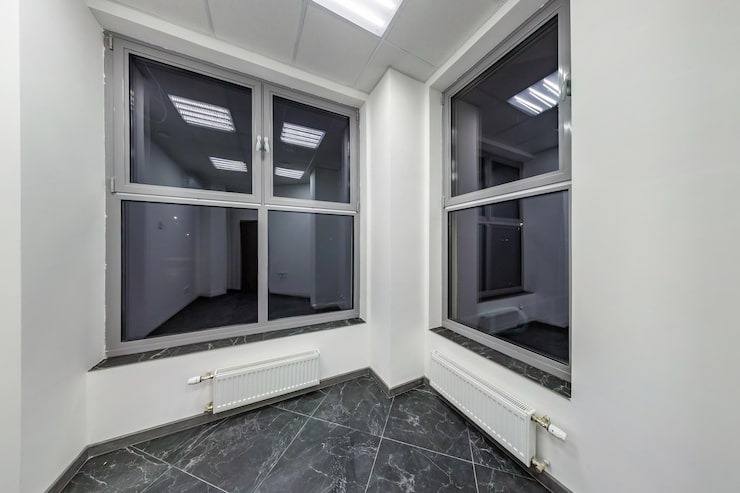
Choosing replacement windows for a Wisconsin home involves more than deciding on a frame colour or glass design. Wisconsin experiences cold winters, warm summers, changing humidity, wind, and seasonal weather, so window style can affect ventilation, comfort, energy use, maintenance, and everyday usability. Double-hung, casement, slider, and picture windows each offer different advantages, making it important to compare their features before selecting a style.
E2 Home Solutions provides window and home improvement services for homeowners looking to maintain, update, or improve their properties. Understanding how different window designs work can help homeowners have more productive conversations with a window installer and determine which option fits their home’s structure and needs.
What Should Wisconsin Homeowners Consider When Choosing Windows?
Before comparing individual window styles, it helps to consider how the windows will be used throughout the year. A window that works well in one room may not be the best choice for another. Ventilation needs, available wall space, accessibility, exterior exposure, and the home’s architectural style can all influence the decision.
Wisconsin’s climate also makes insulation and weather resistance important considerations. During winter, properly installed windows can help reduce unwanted drafts, while in warmer months, operable windows can provide natural ventilation. The goal is not necessarily to select one window style for the entire home, but to choose designs that make sense for different spaces.
Homeowners should also consider how frequently windows will need to be cleaned, whether they need easy operation, and how much natural light they want in each room.
Double-Hung Windows: A Versatile Traditional Option
Double-hung windows are among the most familiar residential window styles. They feature two movable sashes that slide vertically. Both the upper and lower sections can be opened, allowing homeowners to control airflow from different points within the window.
This design can work well in bedrooms, living rooms, dining areas, and other spaces where traditional window proportions are preferred. Because the sashes move vertically rather than outward, double-hung windows can also be practical where exterior space is limited.
Advantages of Double-Hung Windows
One of the main benefits of double-hung windows is ventilation flexibility. Opening the lower sash allows air to enter, while opening the upper sash can help warm air escape. This can create useful airflow when weather conditions allow natural ventilation.
Cleaning can also be relatively convenient when the windows include tilt-in sashes. Homeowners can often clean the interior and exterior glass from inside the house, depending on the specific window design.
Double-hung windows are also compatible with many traditional and contemporary home designs, making them a versatile choice when replacing older windows.
When Are Double-Hung Windows a Good Choice?
Double-hung windows may be appropriate for homeowners who want a familiar appearance, flexible ventilation, and easy operation. They can be particularly suitable for rooms where vertical window proportions complement the existing architecture.
However, homeowners should compare the specific glass, frame, hardware, and installation specifications rather than choosing a window based solely on style.
Casement Windows: Designed for Ventilation
Casement windows operate differently from double-hung windows. Instead of sliding vertically, the window sash is attached to hinges on one side and opens outward, typically using a crank or handle.
This design allows the entire opening to be used for ventilation when the window is open. Casement windows can therefore be useful in areas where airflow is a priority.
Why Choose Casement Windows?
Casement windows can provide substantial ventilation because the opening is not divided by a fixed horizontal sash. Their outward-opening design can also help capture passing breezes when conditions are suitable.
Another consideration is the window’s closing mechanism. When properly designed and installed, the sash closes against the frame, creating a secure seal. However, the performance of any window depends on the quality of the product, installation, maintenance, and surrounding construction.
Casement windows can complement contemporary homes as well as certain traditional architectural styles. They are often considered for kitchens, living spaces, and areas where homeowners want a larger unobstructed opening.
What Should You Consider Before Installing Casement Windows?
Because casement windows open outward, homeowners should consider the space outside the window. Trees, shrubs, walkways, neighbouring structures, and other obstructions may affect whether the design is practical.
The operating hardware should also remain accessible. If a window is positioned behind a countertop or in another difficult-to-reach location, operating a crank mechanism may be less convenient.
Slider Windows: Simple Horizontal Operation
Slider windows, sometimes called sliding windows, open horizontally. One sash typically moves from side to side while the other remains fixed, although some designs allow both sections to move.
Their horizontal operation can make sliders useful for wider wall openings and areas where an outward-opening window is not practical.
Where Do Slider Windows Work Best?
Slider windows can be suitable for rooms that benefit from a wide horizontal view. They are often considered for living areas, bedrooms, basements, and other spaces where straightforward operation is desirable.
Because they do not extend outward when opened, sliders can be practical near patios, walkways, landscaping, and other areas where an outward-opening sash could create an obstruction.
Their simple operation can also make them convenient for everyday use. However, homeowners should pay attention to the quality of the tracks, locks, seals, and installation because these components affect how smoothly and reliably the window performs over time.
Picture Windows: Maximising Views and Natural Light
Picture windows are generally fixed, meaning they do not open for ventilation. Their primary purpose is to provide a large, unobstructed glass area that brings natural light into a room and frames an exterior view.
For Wisconsin homeowners, picture windows can be useful in living rooms, family rooms, stairwells, and other areas where ventilation is not the main requirement.
Why Consider Picture Windows?
The absence of moving sashes allows picture windows to provide expansive views. They can also be combined with operable windows, such as casement or double-hung units, to create a larger window arrangement that provides both natural light and ventilation.
Because picture windows do not open, they can also have fewer moving components than operable window styles. Their suitability still depends on factors such as size, glass selection, frame construction, and proper installation.
Double-Hung vs. Casement vs. Slider vs. Picture Windows
The best window style depends on the room and the homeowner’s priorities. There is no single design that is automatically ideal for every Wisconsin property.
Double-hung windows are a practical option when homeowners want traditional styling and adjustable vertical ventilation. Casement windows may be preferable where maximum operable glass area and airflow are important. Slider windows can work well where horizontal operation and a wider view are priorities. Picture windows are most suitable when natural light and uninterrupted views matter more than ventilation.
A combination of styles may therefore be more practical than installing one design throughout the house. For example, a homeowner could use picture windows alongside casement windows in a living room to combine a broad view with ventilation.
Window Style | Operation | Main Benefit | Potential Consideration |
Double-hung | Vertical | Flexible ventilation | More frame sections in the view |
Casement | Outward opening | Strong ventilation potential | Requires exterior clearance |
Slider | Horizontal | Simple operation and wide view | Track maintenance |
Picture | Fixed | Natural light and views | Does not provide ventilation |
How Wisconsin Weather Can Influence Window Selection
Wisconsin’s seasonal weather makes window performance an important part of the selection process. Homeowners should consider products that are appropriately rated for their climate and installed according to manufacturer requirements.
During colder months, air leakage around poorly fitted or deteriorated windows can contribute to drafts and uncomfortable rooms. In summer, operable windows can provide natural airflow when outdoor temperatures are appropriate.
The glass package is also important. Features such as insulated glass units, low-emissivity coatings, and appropriate glazing can influence thermal performance. Homeowners should review the manufacturer’s performance information rather than assuming that one window style is automatically more energy efficient than another.
Installation quality is equally important. Even a high-performing window may not deliver its intended benefits if it is improperly measured, fitted, sealed, or flashed.
What Does a Window Installer Do?
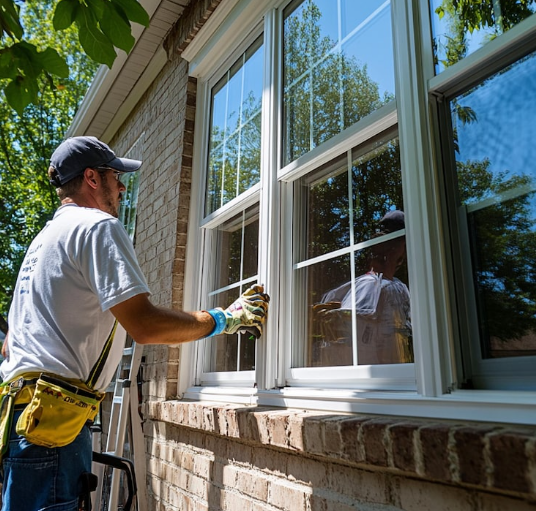
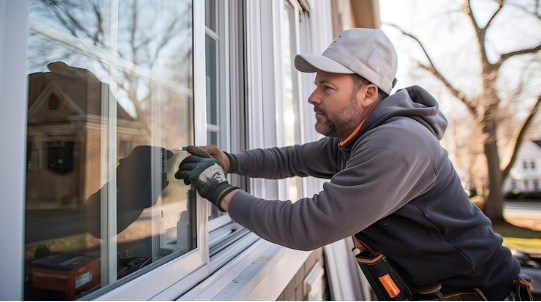
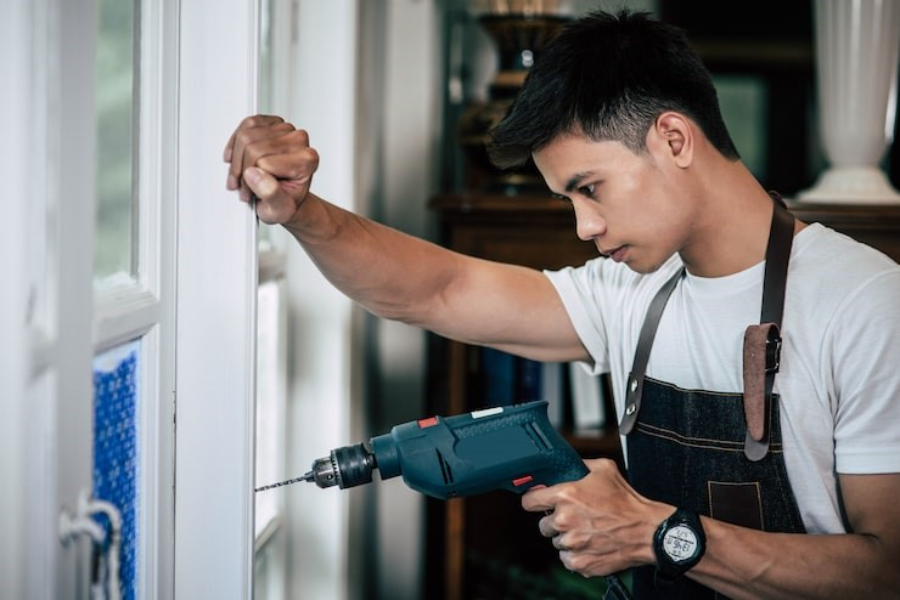
A qualified window installer typically handles the practical aspects of replacing or installing windows, including measurements, product preparation, removal of existing units where applicable, fitting, sealing, and finishing.
Accurate measurements are particularly important because replacement windows must fit the existing opening correctly. An installer also needs to account for the condition of the surrounding structure and follow the window manufacturer’s installation requirements.
When comparing providers, homeowners may encounter terms such as window contractor and window installation service. Rather than focusing only on the terminology, it is more useful to ask about experience, installation procedures, product options, warranties, and how the contractor addresses unexpected conditions around existing openings.
How to Choose the Right Window Style for Each Room
The best approach is to evaluate each room individually. Start by considering whether ventilation is required. If natural airflow is important, an operable style such as double-hung, casement, or slider may be more appropriate than a picture window.
Next, consider the room’s available space. A casement window needs room to open outward, while a slider operates within the window opening. Double-hung windows move vertically, making them useful in areas where exterior clearance is limited.
Finally, consider appearance and maintenance. Window proportions should complement the home’s architecture, while the operating mechanism should be convenient for the people who use it.
A professional consultation can help identify practical limitations that may not be obvious when selecting windows from photographs or product brochures.
Why Professional Installation Matters
Window replacement is not simply a matter of placing a new frame into an existing opening. The opening needs to be prepared properly, the window must be positioned correctly, and gaps need to be addressed according to the installation requirements.
Proper sealing and flashing can help manage water and air movement around the opening. Correct installation can also help the window operate as intended and reduce the risk of problems caused by poor fitting.
If you are comparing options for your home, E2 Home Solutions can help you understand available window solutions and the installation considerations associated with different styles. Homeowners can Contact us to discuss their window project and determine which options may suit their property.
Final Thoughts
Double-hung, casement, slider, and picture windows each serve different purposes. The right choice for a Wisconsin home depends on ventilation needs, available space, views, maintenance preferences, architectural style, and the window’s overall performance characteristics.
Rather than selecting a window based only on appearance, homeowners should consider how the window will function throughout Wisconsin’s changing seasons. Comparing products with a qualified window installer can make it easier to identify suitable options for individual rooms and understand the installation requirements before work begins.
For homeowners planning a replacement or new window project, E2 Home Solutions can provide information about available options and the considerations involved in window installation.