

Wisconsin winters are known for long stretches of freezing temperatures, strong winds, and heavy snowfall. During these months, homeowners often notice their heating systems working harder and energy bills rising significantly. One of the most common reasons for heat loss in homes is outdated or poorly insulated windows.
The website E2 Home Solutions provides information and services related to home improvement projects, particularly window installation and replacement in Wisconsin. Through its online resources, homeowners can learn about window efficiency, installation processes, and service availability across different regions of the state. The website also includes detailed pages about professional installation services, window types, and service areas that help residents make informed decisions about improving home energy performance.
Modern window technology plays a major role in improving insulation and preventing heat loss during winter. Installing energy efficient windows Wisconsin homeowners rely on can significantly reduce heating costs while maintaining a comfortable indoor environment. In this guide, we will explore how energy efficient windows work, why they are important in cold climates, and how they contribute to lower winter heating bills.
Why Energy Loss Through Windows Is Common in Winter
Many homes in Wisconsin were built decades ago, and older windows often lack proper insulation. As temperatures drop, these windows allow warm indoor air to escape while letting cold air enter the home.
Several factors contribute to heat loss through windows:
Poor Sealing and Air Leaks
Older window frames may develop gaps over time. These gaps allow cold drafts to enter the home, forcing heating systems to run longer.
Single-Pane Glass
Many older homes still use single-pane windows. These windows provide minimal insulation and transfer heat quickly, making indoor temperatures harder to maintain.
Outdated Window Frames
Wood or aluminium frames without thermal insulation can transfer outdoor temperatures indoors. This makes it harder to maintain a stable indoor climate during winter.
Upgrading to energy efficient windows Wisconsin homeowners install today can address these issues by improving insulation and sealing.
What Is Energy-Efficient Windows?
Energy-efficient windows are designed to reduce heat transfer between the inside and outside of a home. They use advanced materials and construction methods that improve insulation and minimize energy loss.
Common features of energy-efficient windows include:
Double or Triple Pane Glass
Multiple glass panes create insulating layers that slow heat transfer.
Low-E Glass Coatings
Low-emissivity coatings reflect indoor heat back into the home during winter while reducing heat gain in summer.
Gas-Filled Insulation
Argon or krypton gas between panes improves insulation by reducing heat movement.
Insulated Frames
Modern frames made from vinyl, fiberglass, or composite materials help prevent heat loss and improve durability.
Homeowners exploring window upgrades often review installation options such as Wisconsin windows installer services to understand how modern windows improve home efficiency.
How Energy Efficient Windows Reduce Heating Bills
Installing modern windows can have a noticeable impact on winter heating costs. While heating systems generate warmth, efficient windows help keep that heat inside.
Reduced Heat Transfer
Double or triple-pane windows slow the movement of heat through the glass. This keeps warm air inside for longer periods.
Improved Indoor Temperature Stability
Energy efficient windows help maintain consistent indoor temperatures, reducing the need for frequent thermostat adjustments.
Less Strain on Heating Systems
When homes retain heat more effectively, heating systems do not need to run continuously. This reduces energy consumption and extends equipment lifespan.
Reduced Air Drafts
Modern windows seal more effectively, preventing cold drafts from entering the home.
For many households, upgrading to energy efficient windows Wisconsin properties require can lead to noticeable reductions in monthly winter heating costs.
Best Window Types for Cold Climates
Different window styles offer varying levels of insulation and functionality. In cold climates like Wisconsin, some window types perform better than others.
Double-Hung Windows
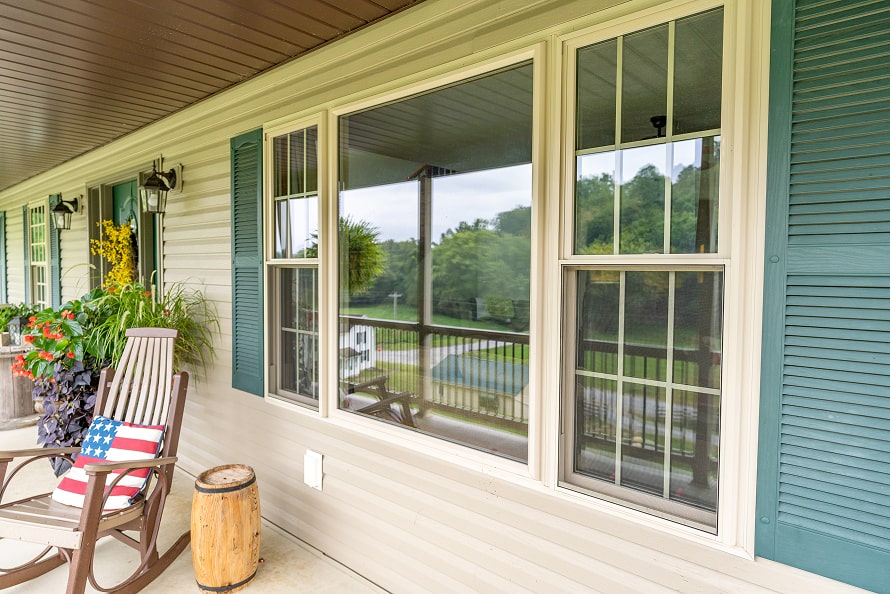
Double-hung windows remain one of the most popular options for residential homes. They allow both the upper and lower sashes to move, providing flexible ventilation while maintaining insulation.
Homeowners often explore installation options through services such as double hung window installer in Wisconsin to improve both functionality and efficiency.
Casement Windows
Casement windows seal tightly when closed, making them highly effective at preventing air leakage.
Picture Windows
Picture windows do not open, which allows them to maintain strong seals and excellent insulation.
Sliding Windows
Sliding windows are simple to operate and provide good insulation when designed with modern energy-efficient materials.
Selecting the right window style can further improve the benefits of energy efficient windows Wisconsin homeowners install to protect their homes from winter heat loss.
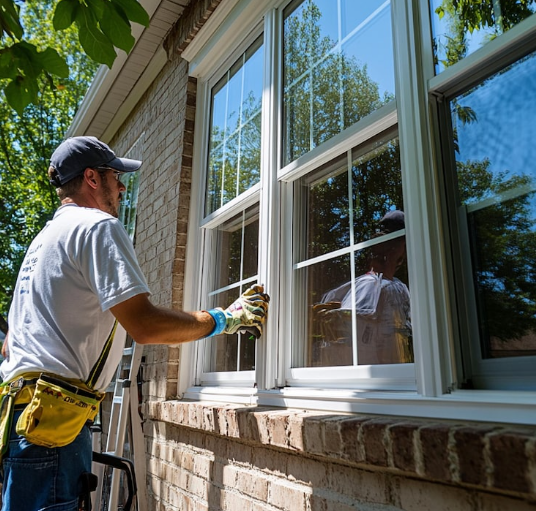
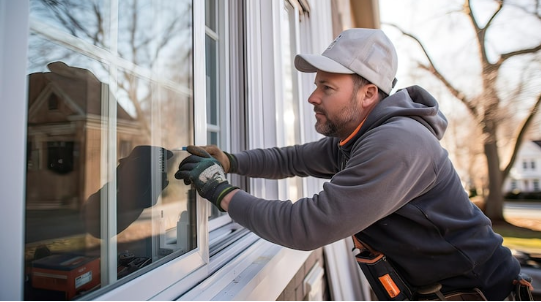
The Importance of Professional Window Installation
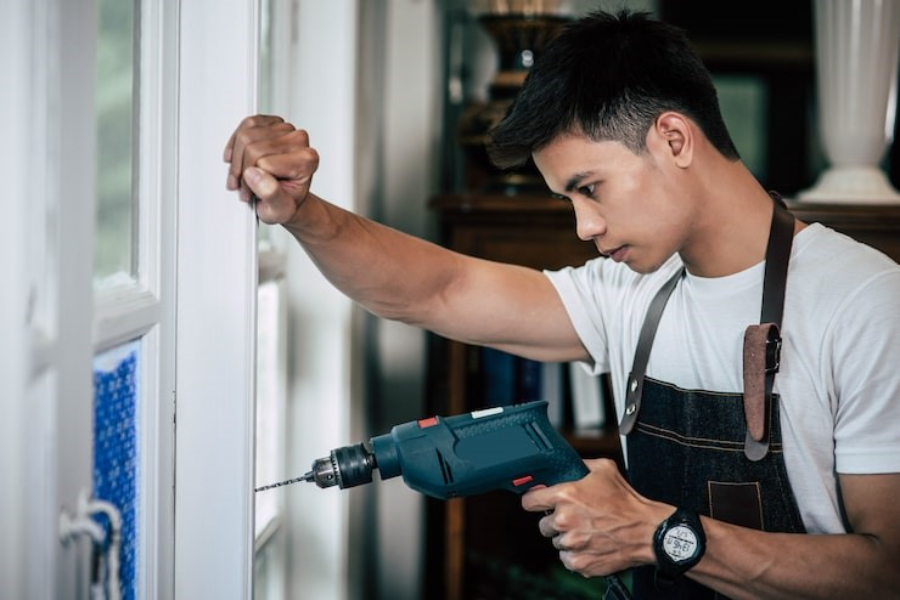
Even the most advanced window design will not perform well if it is installed incorrectly. Improper installation can lead to gaps, air leaks, and structural problems.
Professional installation helps ensure that windows perform as designed.
Proper Sealing and Insulation
Professional installers use specialized materials to seal gaps and prevent air infiltration.
Accurate Measurements
Correct measurements ensure that windows fit securely within the wall opening.
Structural Stability
Professionally installed windows are properly anchored and aligned to avoid long-term issues.
Homeowners interested in understanding installation benefits can review resources such as why hire a professional window installer in Wisconsin.
Additional Ways Windows Improve Winter Comfort
Beyond reducing heating costs, energy efficient windows offer several additional benefits.
Improved Indoor Comfort
Better insulation prevents cold spots near windows and maintains consistent indoor temperatures.
Reduced Condensation
Modern insulated windows help reduce condensation buildup during winter.
Noise Reduction
Multiple panes of glass help reduce outdoor noise entering the home.
Increased Property Value
Energy efficiency improvements are often considered attractive features by potential buyers.
These advantages make energy efficient windows Wisconsin homeowners install a valuable long-term improvement.
Choosing the Right Window Installation Service
When considering a window upgrade, homeowners often evaluate local services that specialize in cold-climate installations.
Several factors should be considered when selecting a window installer:
Experience with Cold Climate Installations
Installers familiar with Wisconsin weather conditions can recommend suitable window designs.
Product Knowledge
Professionals can help homeowners understand energy ratings, insulation performance, and frame materials.
Local Service Availability
Companies serving multiple regions allow homeowners to find nearby installation services.
Information about coverage areas can often be found on pages such as Wisconsin service areas.
Consultation and Project Planning
Many homeowners also request project consultations through service pages like contact E2 Home Solutions to discuss installation timelines and energy efficiency improvements.
Signs It May Be Time to Replace Your Windows
Many homeowners are unsure when window replacement becomes necessary. Some common warning signs include:
Drafts Near Windows
If you feel cold air near window frames during winter, sealing may be compromised.
Rising Heating Bills
Older windows often cause heating systems to run longer than necessary.
Condensation Between Glass Panes
This can indicate a broken seal in double-pane windows.
Difficulty Opening or Closing Windows
Warped frames or damaged hardware can reduce insulation performance.
Addressing these issues by upgrading to energy efficient windows Wisconsin homes require can significantly improve winter energy efficiency.
Long-Term Energy Savings and Sustainability
Replacing older windows is not just about immediate heating savings. Energy-efficient windows contribute to long-term sustainability goals.
By reducing energy consumption, homeowners can:
- Lower their overall household carbon footprint
- Decrease reliance on heating systems
- Improve the energy efficiency rating of their homes
Over time, these improvements support both environmental and financial benefits.
Conclusion
Wisconsin winters create challenging conditions for maintaining indoor warmth and controlling heating costs. Windows play a major role in determining how effectively homes retain heat during cold months.
Upgrading to energy efficient windows Wisconsin homeowners choose today can reduce heat loss, improve comfort, and help control winter heating bills. Modern window technologies such as double-pane glass, insulated frames, and Low-E coatings significantly improve energy performance.
When combined with proper installation and thoughtful window selection, these improvements can make homes more comfortable and energy efficient throughout the winter season.
FAQ: Energy Efficient Windows in Wisconsin
How much heat can be lost through old windows?
Older windows can account for up to 25 to 30 percent of residential heat loss during winter. Upgrading to modern insulated windows helps reduce this energy loss.
Are double-pane windows enough for Wisconsin winters?
Double-pane windows provide strong insulation and are commonly used in cold climates. Some homeowners may choose triple-pane windows for additional insulation.
Do energy-efficient windows really reduce heating bills?
Yes. By preventing heat loss and reducing drafts, energy efficient windows help heating systems run less frequently, which can lower winter energy costs.
How long do energy-efficient windows last?
Most modern windows last between 20 and 30 years depending on materials, installation quality, and maintenance.
When is the best time to replace windows in Wisconsin?
Window replacements can be done year-round. However, many homeowners schedule installations during spring or fall when weather conditions are milder.