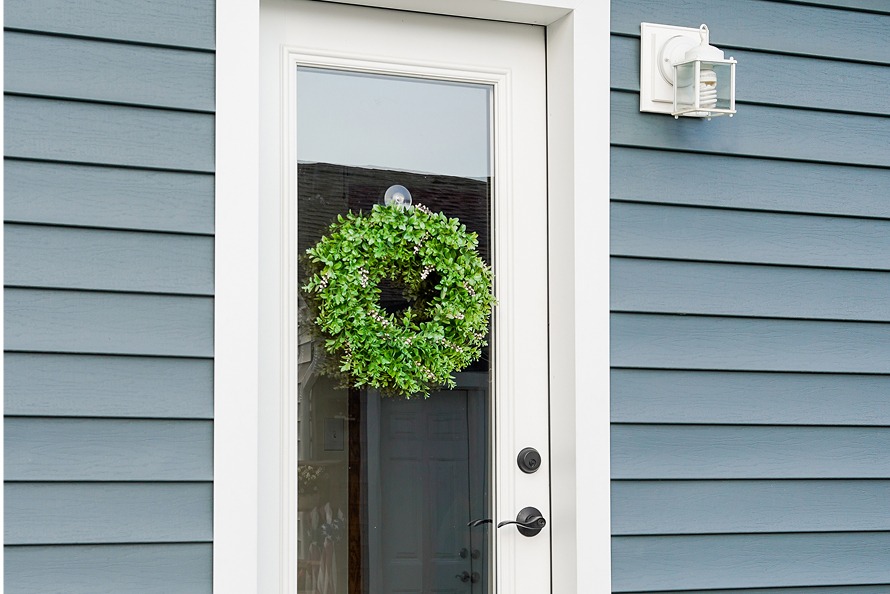

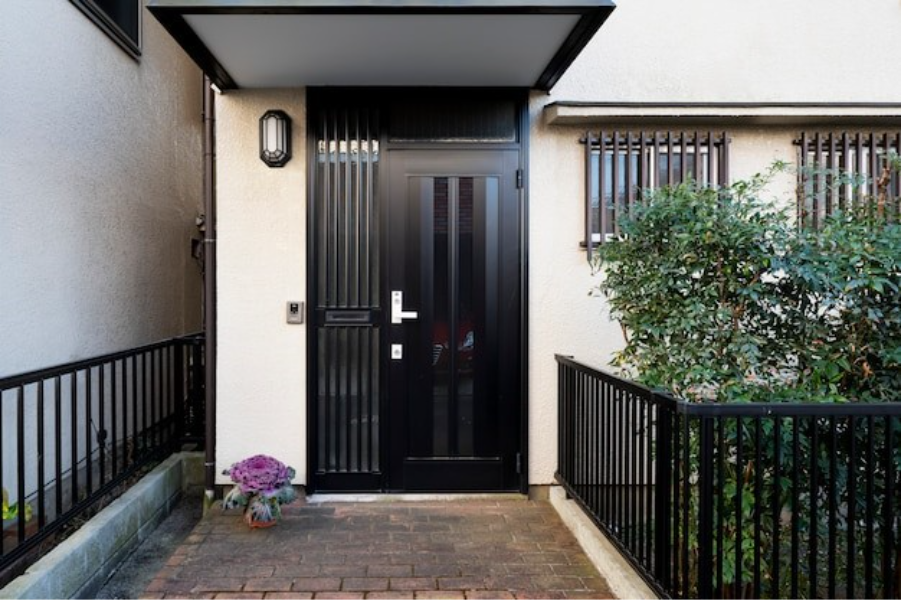
When it comes to protecting a home in Wisconsin, the entry door plays a critical role. E2 Home Solutions provides installation and replacement services designed to meet the challenges of the region’s climate. With experience in exterior upgrades and access to modern materials, the company focuses on practical solutions that balance durability, insulation, and long-term value. Homeowners can explore options through their door installation services to better understand what fits their needs.
Wisconsin weather is known for its extremes. Freezing winters, humid summers, heavy snowfall, and fluctuating temperatures can quickly impact building materials. Choosing the right entry door is not just about aesthetics. It is about performance, energy efficiency, and resilience.
This guide explores the best entry door materials that can withstand Wisconsin’s climate while maintaining functionality and comfort.
Why Entry Door Material Matters in Wisconsin
Wisconsin experiences temperature swings that can cause expansion and contraction in materials. Over time, this can lead to warping, cracking, or reduced insulation performance. A properly chosen door material helps prevent these issues and contributes to overall home efficiency.
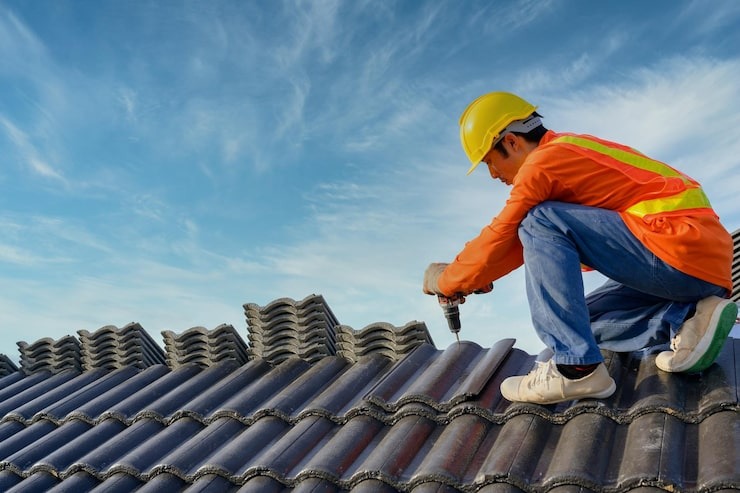
A well-constructed entry door can also complement other exterior improvements such as Roof Replacement projects. Both elements work together to improve energy efficiency and protect the structure from weather-related damage.
Key Factors to Consider When Choosing Entry Door Materials
1. Insulation and Energy Efficiency
Cold winters require doors with strong insulating properties. Materials should prevent heat loss and reduce drafts.
2. Durability Against Moisture
Snow, rain, and humidity can damage certain materials. Moisture resistance is essential to prevent rot or corrosion.
3. Resistance to Temperature Changes
Frequent freeze-thaw cycles can stress door materials. Stability is key to maintaining structure and fit.
4. Maintenance Requirements
Some materials require regular sealing or painting, while others are more low maintenance.
5. Security and Strength
Entry doors must provide reliable protection while maintaining structural integrity over time.
Best Entry Door Materials for Wisconsin Weather
1. Fiberglass Doors
Fiberglass is widely regarded as one of the most suitable materials for harsh climates.
Benefits:
- Excellent insulation properties
- Resistant to warping, cracking, and denting
- Handles temperature fluctuations well
- Low maintenance
Fiberglass doors can also mimic the appearance of wood without the associated upkeep. This makes them a practical choice for homeowners seeking both durability and visual appeal.
For homeowners exploring exterior upgrades, pairing a fiberglass entry door with a sliding glass door installation can improve both functionality and energy efficiency.
2. Steel Doors
Steel doors are known for their strength and security.
Benefits:
- High resistance to impact and forced entry
- Good insulation when paired with a foam core
- More affordable compared to other materials
Considerations:
- Can dent under heavy impact
- May rust if not properly coated
Steel doors perform well in cold climates but require proper finishing to resist moisture over time.
3. Wood Doors
Wood doors offer a traditional look that many homeowners appreciate.
Benefits:
- Natural aesthetic appeal
- Customizable designs
- Strong and sturdy when maintained
Considerations:
- Requires regular sealing or painting
- Susceptible to moisture damage and warping
- Higher maintenance compared to other materials
While wood doors can perform in Wisconsin weather, they demand consistent upkeep to remain effective.
4. Composite Doors
Composite doors combine materials such as wood fibers and synthetic resins.
Benefits:
- Improved durability over traditional wood
- Resistant to moisture and temperature changes
- Good insulation properties
Composite doors offer a balance between aesthetics and performance, making them a reliable option for homeowners seeking longevity without extensive maintenance.
The Role of Proper Installation
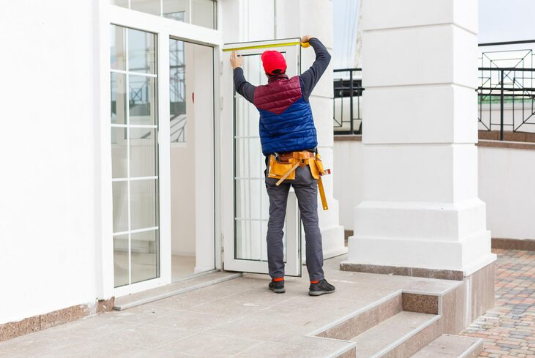
Even the most durable material can fail if installation is not done correctly. Gaps, improper sealing, or poor alignment can lead to drafts and water intrusion.
Working with experienced installers ensures that the door is fitted securely and performs as expected.
Entry Doors and Overall Home Efficiency
Entry doors contribute significantly to a home’s energy performance. When combined with upgrades like Roof Replacement, they help create a more controlled indoor environment.
A properly insulated door reduces heating costs during winter and helps maintain indoor temperatures during summer. This makes it a key component of any exterior improvement plan.
Additional Considerations for Wisconsin Homes
Weatherstripping and Seals
High-quality weatherstripping prevents air leaks and improves insulation.
Storm Doors
Adding a storm door provides an extra layer of protection against harsh weather. It can also extend the lifespan of the main entry door.
Glass Inserts
Modern entry doors often include insulated glass panels. These should be double or triple glazed to prevent heat loss.
Maintenance Tips for Long-Lasting Entry Doors
Regular Cleaning
Remove dirt and debris to prevent surface damage.
Inspect Seals
Check weatherstripping and caulking periodically to maintain insulation.
Refinish When Needed
Wood doors may require resealing or repainting to protect against moisture.
Check Hardware
Ensure hinges, locks, and handles remain functional and secure.
When to Replace Your Entry Door
Signs that indicate it may be time for a replacement include:
- Drafts around the door
- Difficulty opening or closing
- Visible cracks or warping
- Increased energy bills
Replacing an outdated door can improve comfort and reduce energy costs, especially in regions with extreme weather conditions.
Homeowners considering upgrades can reach out through the contact page to explore available options.
Conclusion
Choosing the right entry door material is essential for homes in Wisconsin. Fiberglass, steel, wood, and composite options each offer unique benefits, but durability and insulation should remain top priorities.
A well-selected and properly installed entry door not only enhances the appearance of a home but also improves energy efficiency and protection against harsh weather. When combined with other exterior upgrades such as Roof Replacement, it contributes to a more resilient and comfortable living environment.
FAQ Section
What is the best entry door material for cold climates?
Fiberglass is often considered the best option due to its insulation properties and resistance to temperature changes.
Are steel doors good for Wisconsin weather?
Yes, steel doors perform well when properly insulated and coated to prevent rust.
How often should I maintain a wood entry door?
Wood doors typically require maintenance every one to two years, depending on exposure to weather.
Do entry doors impact energy efficiency?
Yes, a well-insulated door can significantly reduce heat loss and improve overall energy performance.
Is professional installation necessary?
Proper installation is essential to ensure the door functions correctly and provides adequate insulation.
Can upgrading my entry door reduce heating costs?
Yes, replacing an inefficient door can help maintain indoor temperatures and reduce energy expenses.