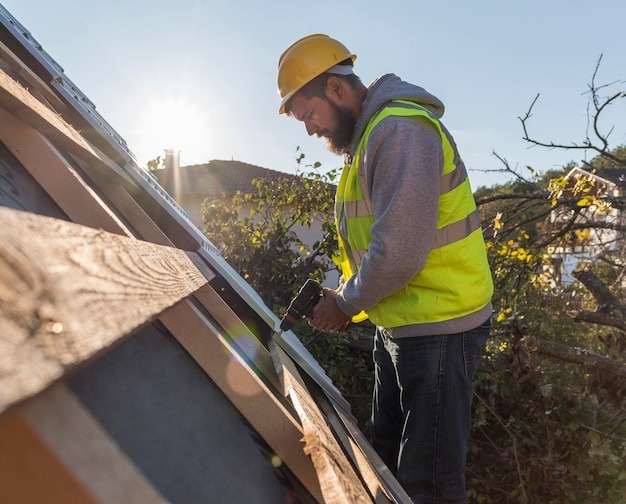
Wisconsin homeowners deal with changing weather conditions that can affect the condition of a roof over time. Heavy snow, ice, strong winds, rain, temperature changes, and seasonal moisture can all contribute to roofing damage. When problems appear, one of the first questions homeowners face is whether a simple repair is enough or whether the roof has reached the point where replacement makes more sense.
E2 Home Solutions provides roofing-related services for homeowners who need to understand and address problems affecting their properties. As homeowners evaluate their options, understanding the difference between roof repair and replacement can help them make a practical decision based on the roof’s age, condition, extent of damage, and expected remaining service life.
Understanding the Difference Between Roof Repair and Replacement
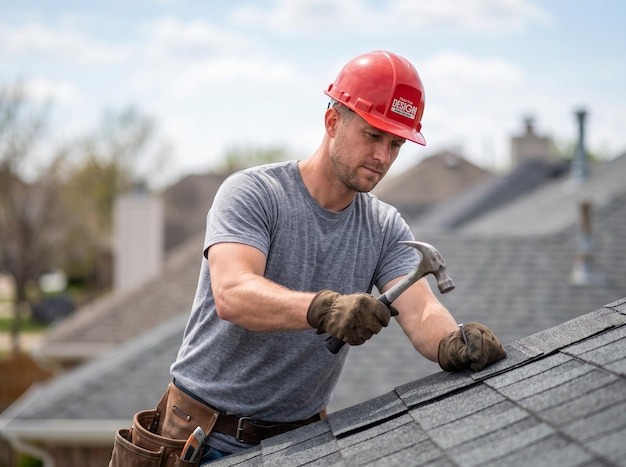
Roof repair generally involves addressing a specific problem without removing the entire roofing system. Depending on the issue, this could include replacing damaged shingles, repairing flashing, sealing certain areas, or correcting a localized leak. Repairs can be appropriate when the overall roof remains structurally sound and the damage is limited.
Roof replacement is a more extensive project. It typically involves removing the existing roofing materials and installing a new roofing system. Replacement may be necessary when damage is widespread, the roof is approaching the end of its expected service life, or repeated repairs no longer provide a practical long-term solution.
The right choice depends on the circumstances rather than simply the appearance of one damaged area. A professional inspection can help identify whether the issue is isolated or part of a larger roofing problem.
When Roof Repair May Be Enough
Not every roofing problem requires a complete replacement. If damage is limited to a small area and the underlying roofing system is still in good condition, repairing the affected section may be a reasonable approach.
For example, a few missing or damaged shingles following a windstorm may be repairable. Similarly, a small leak caused by damaged flashing around a chimney, vent, or other roof penetration may not indicate that the entire roof needs to be replaced.
Common Situations That May Require Roof Repair
Localized problems can often be addressed through targeted repairs when the rest of the roof remains in satisfactory condition. Some examples include:
- A small number of missing or damaged shingles
- Localized flashing damage
- Minor leaks with an identifiable source
- Limited damage following a storm
- Small areas of deterioration that have not affected the underlying structure
However, even a seemingly minor leak should not be ignored. Water can travel beneath roofing materials and affect insulation, decking, walls, or ceilings. Identifying the source early can help prevent a localized problem from becoming more extensive.
Signs That Roof Replacement May Be Necessary
A roof may need replacement when damage is widespread or when the roofing system has reached the later stages of its service life. Replacing a roof is a significant project, so the decision should be based on the overall condition rather than a single visible defect.
One important factor is the frequency of repairs. If a homeowner is repeatedly paying for repairs in different areas of the roof, the cumulative cost may become difficult to justify if the roofing system continues to deteriorate.
Extensive Shingle Damage
Widespread missing, cracked, curled, or deteriorated shingles can indicate that the roof is no longer providing consistent protection. While individual shingles can sometimes be replaced, extensive deterioration across the roof may point toward replacement.
Shingles that have lost significant amounts of their protective surface can also become more vulnerable to moisture and weather exposure. A professional assessment can determine whether the damage is limited or widespread.
Repeated or Persistent Leaks
One isolated leak does not automatically mean the roof needs replacement. However, multiple leaks or recurring moisture problems can indicate that the roofing system has broader deficiencies.
Persistent leaks may also cause damage beneath the visible roofing materials. If moisture has affected roof decking or other structural components, the scope of work may be greater than simply replacing a few shingles.
Sagging Areas
Visible sagging can be a serious warning sign. It may indicate moisture damage, deteriorated decking, structural problems, or other issues that require professional evaluation.
Homeowners should not assume that sagging can be corrected through a simple surface repair. The underlying cause needs to be identified before deciding what type of work is appropriate.
How Roof Age Influences the Decision
The age of a roof is another important factor when comparing repair with replacement. Roofing materials have expected service lives, but actual performance can vary based on installation quality, ventilation, weather exposure, maintenance, and other conditions.
An older roof with a small isolated issue may still be a good candidate for repair if most of the system remains in good condition. On the other hand, an older roof with widespread deterioration may be closer to replacement.
Age should therefore be considered alongside physical condition. A roofing contractor can evaluate visible damage and other components of the system before recommending a course of action.
How Wisconsin Weather Can Affect Roofing Decisions
Wisconsin’s seasonal weather can place considerable stress on residential roofing systems. Snow accumulation can add weight to the roof, while ice and repeated freezing and thawing can contribute to moisture-related problems. Strong winds and storms can also damage shingles and flashing.
Temperature changes can affect roofing materials over time. Moisture can enter small openings and, when temperatures fall, freezing conditions may contribute to further deterioration.
Because weather-related damage can develop gradually, homeowners should pay attention to changes after major storms and throughout the year. Prompt inspection of suspected damage may help determine whether the problem can be addressed with a repair before it becomes more extensive.
What a Roofing Inspection Should Evaluate
A roofing inspection should go beyond simply looking for missing shingles. The goal is to understand the overall condition of the roofing system and identify the source and extent of any problems.
A professional assessment may consider the condition of shingles, flashing, roof penetrations, visible decking, drainage areas, and other components. Interior signs, such as water stains on ceilings or walls, can also provide useful information about possible moisture intrusion.
The inspection should also consider the age and history of the roof. A roof that has required several repairs may need a different recommendation from a newer roof with one isolated area of storm damage.
Repair vs. Replacement: Factors Wisconsin Homeowners Should Consider
There is no single rule that determines when a roof should be repaired or replaced. Homeowners can consider several factors before making a decision.
The first is the extent of the damage. Localized damage generally presents a different situation from deterioration covering large sections of the roof.
The second is the roof’s age and remaining service life. Spending money on repeated repairs to an aging roofing system may not always be the most practical long-term approach.
The third factor is the history of previous repairs. Multiple repairs in different areas may suggest that the roofing system is experiencing broader deterioration.
Finally, homeowners should consider whether the roof is still providing reliable protection. A professional inspection can help connect these factors and provide a clearer picture of the roof’s condition.
How Roofing Installation Fits Into a Replacement Project
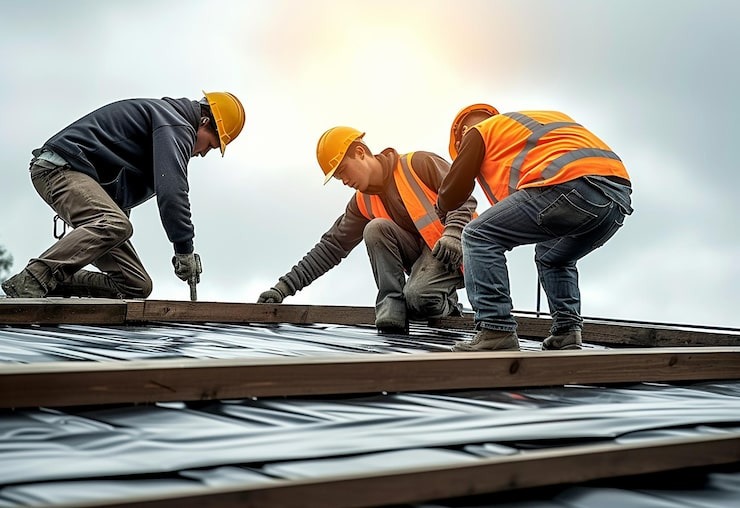
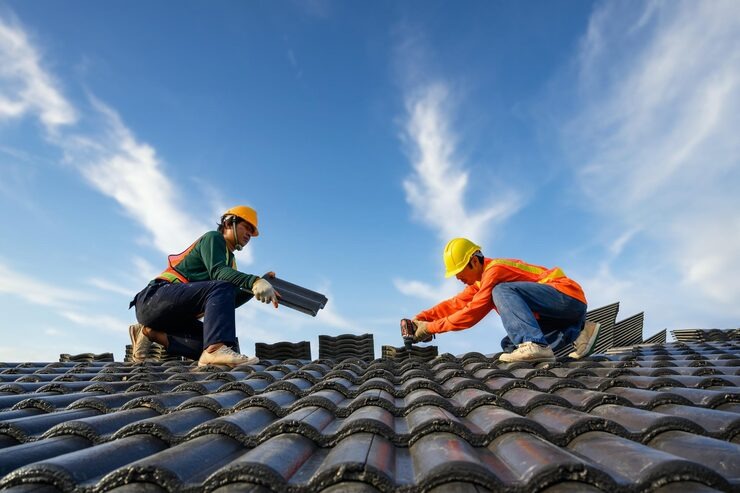
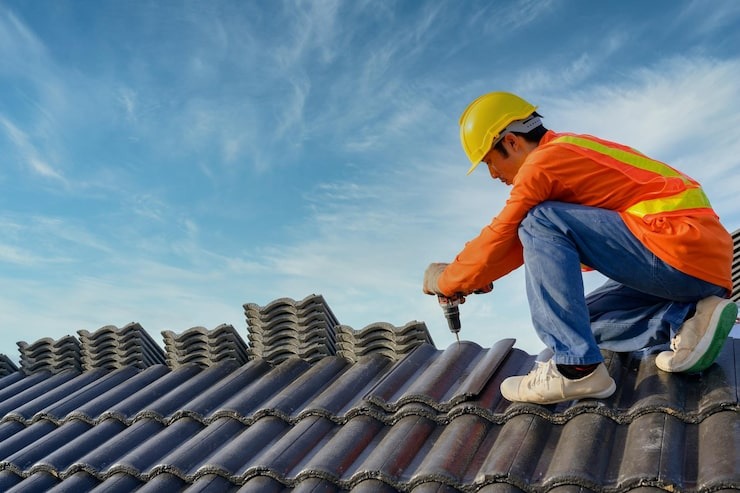
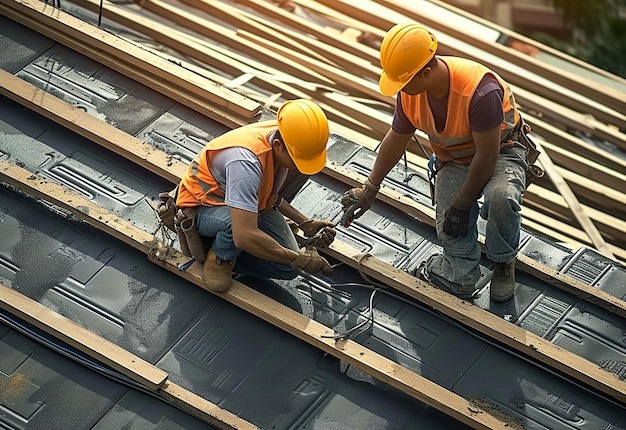
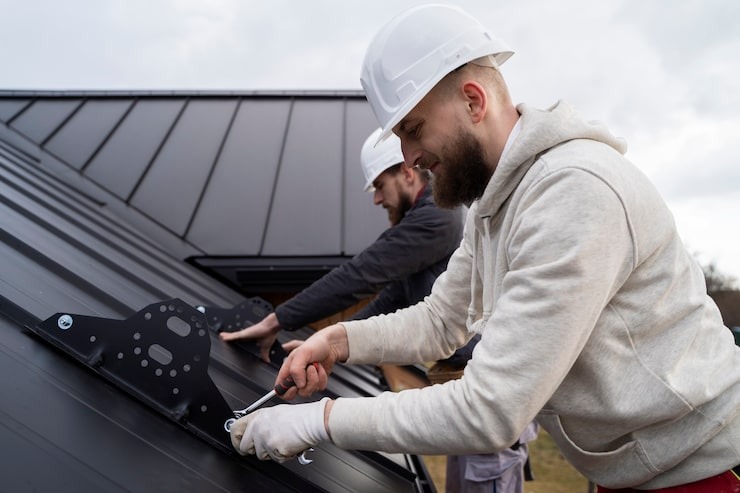
When replacement is recommended, the quality of the new roofing installation becomes an important consideration. A roof is not simply a layer of shingles. Proper installation involves preparing the roof surface, addressing damaged decking when necessary, installing appropriate underlayment and flashing, and ensuring that roofing materials are correctly placed.
Ventilation and drainage also matter because moisture and heat can affect the long-term performance of a roofing system. The specific installation requirements depend on the roofing materials, roof design, and property.
Homeowners considering replacement should discuss the proposed scope of work with their roofing professional. Understanding what will be removed, repaired, replaced, and installed can make it easier to compare options.
Choosing a Roofing Contractor for the Project
Selecting a qualified roofing contractor is an important part of either a significant repair or a replacement project. Homeowners should look for a contractor who can clearly explain the condition of the roof and why a particular solution is being recommended.
A professional should be able to distinguish between necessary work and optional improvements. It is also useful to ask questions about the materials, installation process, expected timeline, warranties, and how existing damage will be handled.
E2 Home Solutions can help homeowners assess their roofing needs and understand the available options. If you are unsure whether your roof requires a repair or a more comprehensive solution, Contact us to discuss the condition of your roofing system and the appropriate next step.
Why Prompt Roofing Attention Matters
Delaying a roofing problem can allow a small issue to become more complicated. A damaged shingle can expose underlying materials to moisture, while an unresolved flashing problem can allow water to enter areas beneath the roof surface.
Early attention does not necessarily mean replacing the roof. In many cases, identifying a problem early can make it possible to address a localized issue through repair. If replacement is necessary, early planning can also help homeowners address deterioration before it causes additional damage to the property.
For this reason, homeowners should investigate unexplained leaks, visible damage, missing shingles, or signs of moisture rather than waiting for the problem to become more noticeable.
Conclusion
Determining whether a roof needs repair or replacement requires more than looking at one damaged shingle or a single leak. Wisconsin homeowners should consider the extent of the damage, roof age, repair history, weather exposure, and condition of the overall roofing system.
Localized damage may often be addressed with a targeted repair, while widespread deterioration or an aging roofing system may justify replacement. A professional evaluation can help homeowners understand the difference and make a decision based on the actual condition of their residential roofing.
When roofing concerns arise, addressing them early can help homeowners understand their options and avoid unnecessary delays. E2 Home Solutions can provide information about roofing needs and help homeowners determine the appropriate next step for their property.