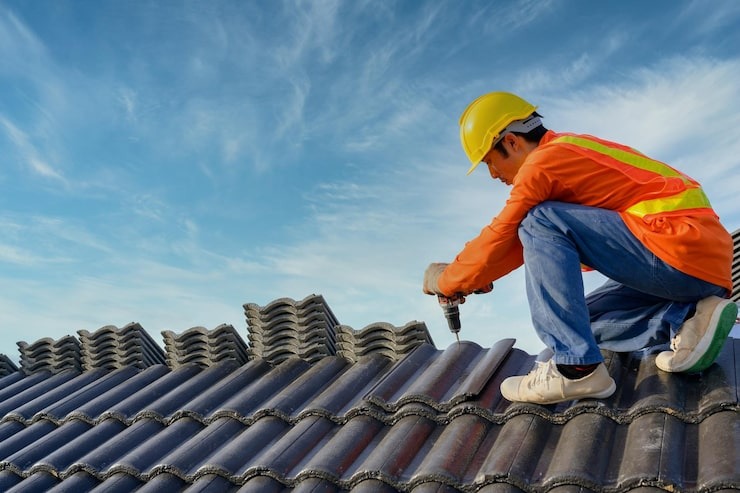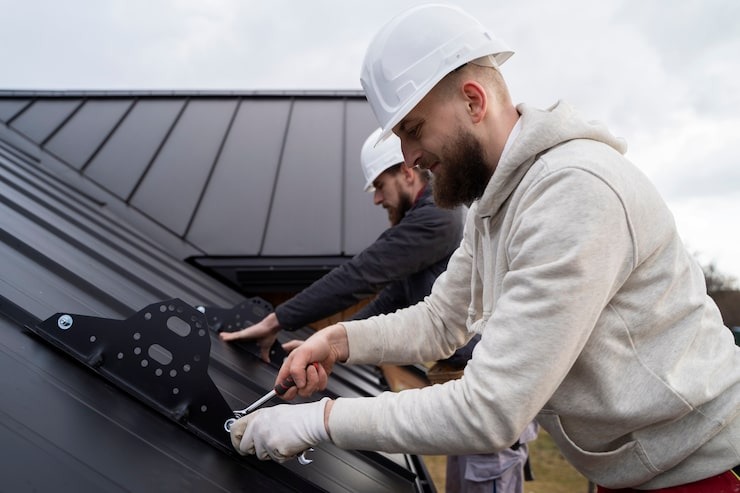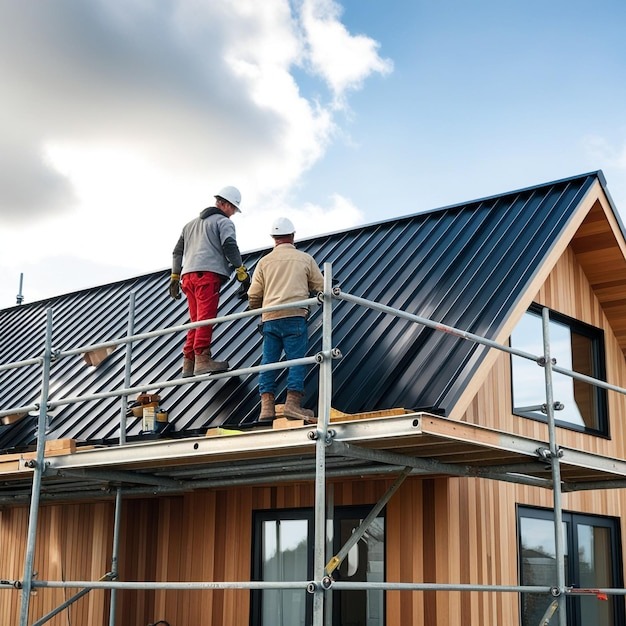
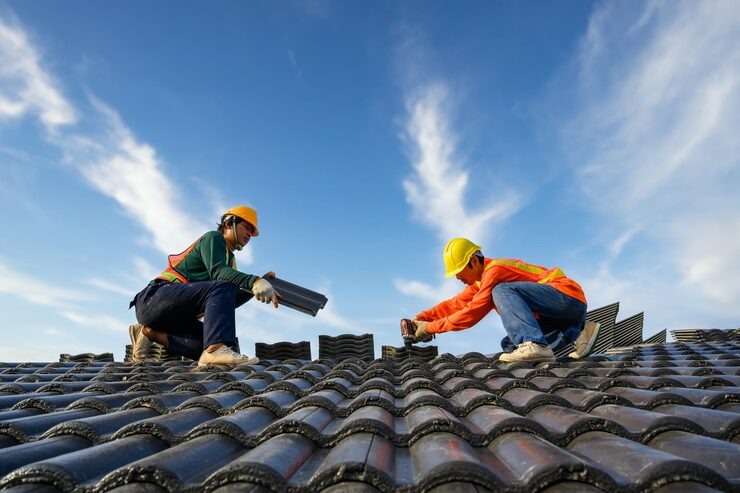
Your roof is one of the most important parts of your home, protecting your family and belongings from changing weather conditions throughout the year. However, roof problems often develop gradually and can remain unnoticed until they become expensive to repair. Recognising the early warning signs can help homeowners address minor issues before they require extensive work or a complete Roof Replacement.
E2 home Solutions provides residential roofing services designed to help homeowners maintain safe, durable, and reliable roofs. Whether a property requires a professional Roof Repair, a full Roof Replacement, or assistance from an experienced roofing installer, understanding the condition of your roof is the first step towards protecting your investment.
Why Paying Attention to Your Roof Matters
Many homeowners only think about their roof when they notice a leak. In reality, roofing problems usually begin months or even years before water enters the home. Regular inspections and timely maintenance can significantly reduce repair costs and extend the lifespan of your roofing system.
Ignoring early warning signs can result in structural damage, mould growth, insulation problems, and higher energy bills. Knowing what to look for allows you to make informed decisions before a small issue turns into a major project.
1. Missing or Damaged Shingles
One of the easiest signs to recognise is missing, cracked, curled, or broken shingles.
Roof shingles protect the underlying structure from moisture and weather damage. When even a few shingles become damaged, rainwater can begin reaching the roof deck, leading to rot and deterioration.
Common causes include:
- Strong winds
- Storm damage
- Ageing materials
- Extreme temperature changes
Prompt Roof Repair can often prevent more extensive damage.
2. Water Stains on Ceilings or Walls
Brown stains on ceilings or interior walls usually indicate that water is entering your home.
Although the leak may appear inside one room, the source could be located several metres away on the roof. Water often travels along roof framing before becoming visible indoors.
Signs include:
- Yellow or brown ceiling marks
- Peeling paint
- Bubbling plaster
- Damp patches
These issues should never be ignored because moisture can weaken structural materials and encourage mould growth.
3. Sagging Roof Sections
A roof should always appear straight and level.
If certain areas begin to sag or dip, this may indicate problems beneath the surface, including:
- Water damage
- Rotten timber
- Structural deterioration
- Excessive roof weight
Sagging is considered a serious warning sign that should be inspected by a qualified roofing installer as soon as possible.
4. Granules Collecting in Gutters
If your home has asphalt shingles, check your gutters regularly.
Small granules protect shingles from UV exposure and weathering. As roofs age, these protective granules begin washing away.
Finding large amounts of granules in gutters may indicate that your roof is approaching the end of its service life and may eventually require Roof Replacement.
Regular gutter cleaning provides an opportunity to identify this issue early.
5. Moss, Algae, or Lichen Growth
While moss may appear harmless, excessive growth can trap moisture against roofing materials.
Moisture retention increases the risk of:
- Shingle deterioration
- Timber decay
- Water penetration
- Reduced roof lifespan
Professional roof cleaning and inspection can determine whether moisture has already caused hidden damage.
6. Damaged or Rusted Flashing
Roof flashing protects vulnerable areas where water is most likely to enter, including:
- Chimneys
- Skylights
- Roof valleys
- Roof vents
Over time, flashing may:
- Rust
- Crack
- Separate
- Become loose
Damaged flashing is one of the most common causes of roof leaks and often requires targeted Roof Repair rather than replacing the entire roof.
7. Higher Energy Bills
An unexpected increase in heating or cooling costs may be connected to your roof.
A damaged roofing system allows conditioned air to escape while permitting outside temperatures to affect your home’s interior.
Potential causes include:
- Damaged roofing materials
- Poor ventilation
- Moisture-damaged insulation
- Roof gaps
Addressing roofing problems early can improve energy efficiency and indoor comfort.
8. Sunlight Visible in the Roof Space
If you can see daylight entering your attic or roof cavity, water can likely enter as well.
Inspect your roof space during daylight hours and look for:
- Small holes
- Cracks
- Gaps around vents
- Damaged roof boards
These openings often become much larger after heavy rain or severe storms.
9. Gutters Pulling Away from the Roof
Gutters that sag or separate from the roofline may indicate more than just loose brackets.
Possible causes include:
- Water damage behind fascia boards
- Rotting timber
- Excessive debris
- Roofing deterioration
Because gutters and roofing systems work together to direct water safely away from the home, both should be inspected when problems appear.
10. Your Roof Is Reaching the End of Its Lifespan
Every roofing material has an expected lifespan.
Factors affecting longevity include:
Roofing Material | Approximate Lifespan |
Asphalt shingles | 20 to 30 years |
Metal roofing | 40 to 70 years |
Concrete tiles | 40 to 50 years |
Slate roofing | 75 years or more |
Even if no visible leaks exist, ageing roofs become more vulnerable to weather damage.
An experienced roofing installer can assess whether ongoing Roof Repair remains practical or if Roof Replacement offers better long-term value.
Roof Repair or Roof Replacement
One of the most common questions homeowners ask is whether they should repair their existing roof or replace it completely.
Roof Repair is often suitable when:
- Damage affects only a small area.
- The roof is relatively new.
- Storm damage is localised.
- Flashing or a few shingles require replacement.
Roof Replacement may be recommended when:
- The roof has reached the end of its lifespan.
- Leaks occur repeatedly.
- Structural damage is present.
- Repairs have become increasingly frequent.
- Large sections are damaged.
A professional inspection helps determine the most appropriate solution based on your roof’s condition.
Why Professional Residential Roof Installation Matters
Whether repairing an existing roof or installing a new one, quality workmanship plays a significant role in long-term performance.
Professional residential roof installation helps ensure:
- Correct material installation
- Proper ventilation
- Effective waterproofing
- Compliance with local building standards
- Improved durability
Experienced roofing professionals can also identify hidden issues that homeowners may overlook during visual inspections.
Preventative Roof Maintenance Tips
Preventative maintenance remains one of the best ways to avoid unexpected roofing expenses.
Consider these practical maintenance habits:
- Inspect your roof after major storms.
- Keep gutters clean throughout the year.
- Trim tree branches near the roof.
- Remove moss before it spreads.
- Check ceilings for signs of moisture.
- Schedule professional roof inspections periodically.
Small maintenance tasks often prevent much larger repair bills in the future.
When Should You Schedule a Roof Inspection?
Many homeowners wait until a leak appears before contacting a roofing professional.
Instead, inspections are recommended:
- After severe storms
- Before buying or selling a property
- When the roof reaches 15 to 20 years of age
- If you notice any warning signs mentioned above
- Before planning major home renovations
Early inspections provide peace of mind and allow problems to be addressed before they become expensive.
Conclusion
Your roof quietly protects your home every day, but even the strongest roofing systems require attention over time. Missing shingles, water stains, sagging areas, damaged flashing, and rising energy bills are all early indicators that should not be ignored.
By recognising these warning signs early, homeowners can often resolve issues with timely Roof Repair rather than facing the greater expense of a complete Roof Replacement. Working with an experienced roofing installer also helps ensure repairs or residential roof installation are completed correctly and safely.
If you have noticed any of these warning signs or would like a professional assessment of your roof’s condition, contact us to arrange an inspection with E2 home Solutions and determine the most suitable solution for your home.