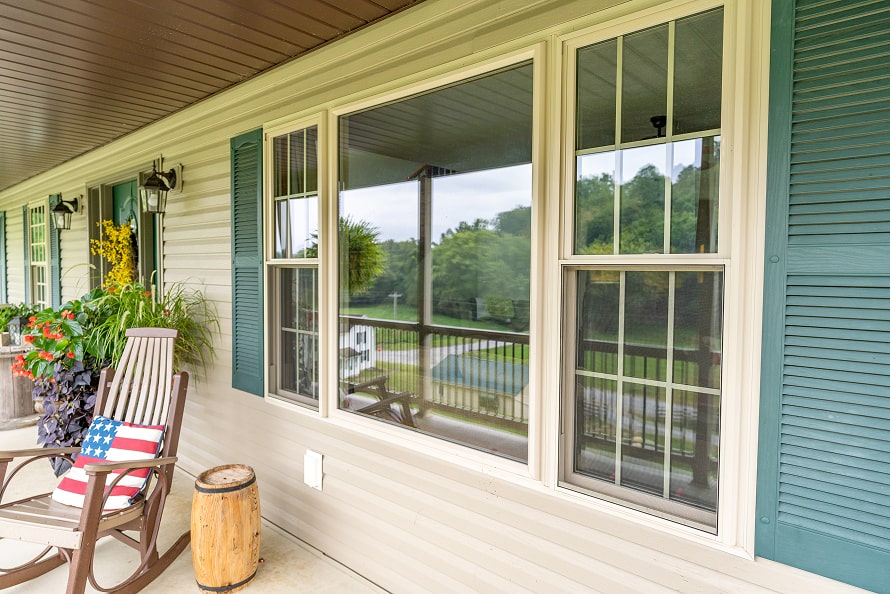

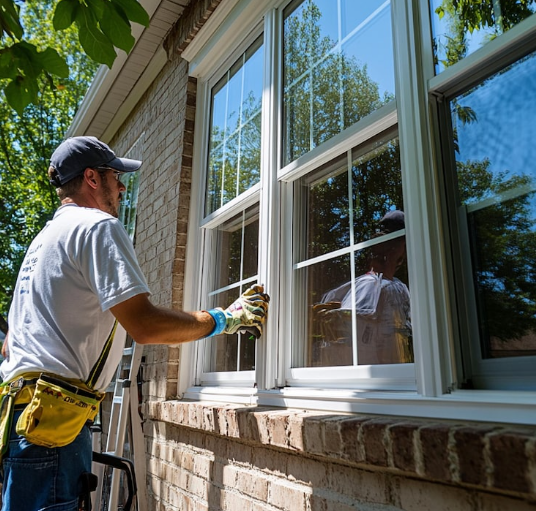
Wisconsin winters are known for freezing temperatures, heavy snowfall, and strong winds that can make keeping a home warm challenging. One of the biggest contributors to indoor heat loss is outdated or poorly insulated windows. Investing in energy-efficient windows can make a noticeable difference in maintaining indoor comfort while helping homeowners manage energy costs throughout the colder months.
E2 Home Solutions provides homeowners with professional solutions for improving the performance of residential windows. Whether you are considering Window replacement, looking for Window Replacement in Wisconsin, or exploring Window Repair services, understanding how energy-efficient windows work can help you make informed decisions about your home. This guide explains why modern windows matter, how they improve energy efficiency, and what homeowners should know before upgrading.
Why Energy-Efficient Windows Matter During Wisconsin Winters
Wisconsin experiences long winters with temperatures that often remain below freezing for extended periods. During these months, windows play a significant role in maintaining indoor temperatures. Older windows may allow warm air to escape while permitting cold outdoor air to enter, forcing heating systems to work harder.
Energy-efficient windows are specifically designed to reduce heat transfer. They help maintain a comfortable indoor environment while supporting better energy performance throughout the home. For homeowners considering Window Replacement in Wisconsin, selecting energy-efficient products can be an important long-term investment.
Some of the key reasons energy-efficient windows are valuable include:
- Reduced indoor heat loss
- Improved comfort near windows
- Better indoor temperature consistency
- Lower strain on heating systems
- Potential reduction in monthly energy costs
- Increased home value
- Better moisture control during winter
Understanding How Heat Escapes Through Windows
Many homeowners assume walls or roofs are responsible for most heat loss, but windows can account for a significant percentage of energy loss in older homes.
Common reasons windows lose heat include:
- Single-pane glass
- Poor insulation around the window frame
- Air leaks caused by worn seals
- Damaged weatherstripping
- Aging window materials
- Improper installation
When warm indoor air escapes through these weak points, cold air replaces it, creating uncomfortable drafts throughout the home.
Modern Window replacement options are designed to minimize these issues through advanced materials and improved insulation technologies.
Features That Make Windows More Energy Efficient
Not all windows provide the same level of insulation. Today’s energy-efficient windows include several technologies that work together to improve performance.
Multiple Glass Panes
Double-pane and triple-pane windows provide additional insulation compared to single-pane windows.
Benefits include:
- Better thermal insulation
- Reduced outside noise
- Improved indoor comfort
- Less condensation during winter
The insulating space between glass panes slows heat transfer, helping homes retain warmth.
Low-E Glass Coatings
Low-emissivity (Low-E) coatings are microscopic layers applied to window glass.
These coatings help:
- Reflect indoor heat back into the home
- Reduce heat transfer
- Improve overall energy efficiency
- Allow natural sunlight while reducing unwanted heat loss
This technology is especially beneficial during Wisconsin’s cold winter months.
Gas-Filled Window Spaces
Many modern windows use argon or krypton gas between panes instead of regular air.
Advantages include:
- Better insulation
- Reduced heat movement
- Increased energy performance
- Enhanced indoor comfort
These gases provide greater resistance to temperature changes than standard air.
Insulated Window Frames
Window frames also influence energy performance.
Common energy-efficient frame materials include:
- Vinyl
- Fiberglass
- Composite materials
- Wood with insulated construction
These materials reduce heat transfer while maintaining durability during changing weather conditions.
Benefits of Window Replacement in Wisconsin
Replacing aging windows offers more than improved appearance. Energy-efficient upgrades provide practical benefits that homeowners can experience throughout the year.
Improved Indoor Comfort
One of the most noticeable improvements is consistent indoor temperatures.
Homeowners often experience:
- Fewer cold spots
- Reduced drafts
- More comfortable living spaces
- Better temperature balance between rooms
Comfort improvements become especially noticeable during extreme winter conditions.
Lower Heating Costs
Heating systems consume more energy when warm air constantly escapes through inefficient windows.
Energy-efficient windows help by:
- Keeping warm air indoors
- Reducing furnace workload
- Improving overall heating efficiency
- Supporting lower utility bills over time
Although savings vary depending on the home, better insulation generally improves overall energy performance.
Better Moisture Control
Condensation often forms on older windows during winter.
Modern windows help reduce:
- Interior moisture buildup
- Ice formation on glass
- Mold growth around frames
- Damage caused by excess humidity
Improved insulation contributes to a healthier indoor environment.
Increased Property Value
Many buyers appreciate homes with updated energy-efficient features.
Window upgrades may contribute to:
- Better curb appeal
- Improved energy ratings
- Lower future maintenance
- Greater buyer interest
This makes Window Replacement in Wisconsin a worthwhile improvement for many homeowners.
Signs It May Be Time for Window Replacement
Not every window problem requires immediate replacement, but several warning signs suggest it may be time to consider upgrading.
Watch for:
- Drafts around windows
- Rising heating bills
- Condensation between glass panes
- Difficulty opening or closing windows
- Visible frame damage
- Rotting wood
- Cracked glass
- Water leaks
- Outside noise becoming more noticeable
If several of these issues are present, professional evaluation can help determine whether repair or replacement is the better option.
When Window Repair Services May Be Enough
In some situations, complete replacement is not necessary.
Professional Window Repair services may solve issues such as:
- Broken hardware
- Minor air leaks
- Weatherstripping replacement
- Lock repairs
- Small seal issues
- Window balance adjustments
Repairs can restore function while extending the lifespan of existing windows when structural components remain in good condition.
A qualified inspection helps identify whether repair or replacement offers the best long-term value.
Choosing the Right Energy-Efficient Windows
Every home has different requirements depending on age, construction, and exposure to weather.
When selecting replacement windows, consider:
- ENERGY STAR certification
- Double or triple-pane construction
- Low-E glass
- High-quality frame materials
- Professional installation
- Local climate conditions
- Manufacturer warranties
Working with experienced professionals helps ensure windows are selected and installed correctly for Wisconsin’s climate.
The Importance of Professional Installation
Even the highest-quality windows may not perform as intended if installation is incorrect.
Professional installation helps ensure:
- Proper sealing
- Correct insulation
- Accurate frame alignment
- Reduced air leakage
- Long-lasting performance
- Manufacturer warranty compliance
Incorrect installation can lead to drafts, water intrusion, and reduced energy efficiency.
For homeowners considering Window replacement, installation quality is just as important as window quality.
Winter Maintenance Tips for Energy-Efficient Windows
Regular maintenance helps preserve window performance for years.
Simple maintenance tasks include:
- Cleaning window tracks
- Inspecting weatherstripping
- Checking for seal damage
- Cleaning glass regularly
- Lubricating moving hardware
- Keeping drainage channels clear
- Monitoring for moisture buildup
Routine inspections allow homeowners to identify small issues before they become larger problems.
How Energy-Efficient Windows Support Sustainability
Reducing energy consumption benefits both homeowners and the environment.
Energy-efficient windows contribute by:
- Lowering heating energy demand
- Reducing greenhouse gas emissions
- Supporting more sustainable homes
- Improving overall residential energy efficiency
While the primary goal is improved comfort, reduced energy use also supports broader environmental objectives.
Why Wisconsin Homes Benefit the Most
Wisconsin’s extended heating season means windows have a greater impact on indoor comfort compared to regions with milder climates.
Energy-efficient windows help homeowners prepare for:
- Long freezing seasons
- Heavy snow
- Strong winter winds
- Rapid temperature changes
- Seasonal energy demands
For this reason, many homeowners choose Window Replacement in Wisconsin as part of long-term home improvement planning.
Conclusion
Energy-efficient windows play an essential role in creating warmer, more comfortable homes throughout Wisconsin’s winter season. By reducing heat loss, limiting drafts, improving insulation, and supporting lower energy consumption, modern windows provide lasting benefits for homeowners.
Whether your home requires Window Repair services or a complete Window replacement, understanding your options allows you to make informed decisions that improve comfort and efficiency. E2 Home Solutions assists homeowners with evaluating existing windows and identifying solutions that match their home’s needs. If you would like professional guidance or wish to learn more about available services, Contact us to discuss the best options for your property.
Frequently Asked Questions
Are energy-efficient windows worth installing in Wisconsin?
Yes. Wisconsin’s cold climate makes energy-efficient windows particularly beneficial because they help reduce heat loss, improve indoor comfort, and support lower heating costs.
How do I know if I need Windows replacement?
Common signs include drafts, condensation between panes, damaged frames, increasing energy bills, difficulty operating windows, and visible deterioration.
Can Window Repair services improve energy efficiency?
Yes. Minor issues such as damaged weatherstripping, broken hardware, or small air leaks can often be repaired to improve performance. However, severely damaged or outdated windows may require replacement.
What types of windows offer the best insulation?
Double-pane and triple-pane windows with Low-E coatings, insulated frames, and argon or krypton gas filling generally provide excellent thermal performance.
How long do energy-efficient windows typically last?
High-quality windows installed correctly can often last 20 to 30 years or longer, depending on materials, maintenance, and local weather conditions.
Should I replace all the windows at once?
Not necessarily. Some homeowners replace windows in phases based on budget, condition, or priority areas. A professional assessment can help determine the most effective approach.
How can I learn more about Window Replacement in Wisconsin?
Speaking with experienced professionals is the best way to understand available options, assess your home’s condition, and determine whether repair or replacement is the right solution. You can Contact us to discuss your specific needs.