
Homeowners in Wisconsin face unique challenges when it comes to comfort, durability, and energy efficiency. Cold winters, humid summers, and shifting seasonal conditions all place extra demands on exterior doors. Choosing the right door solution can directly affect indoor comfort, airflow, insulation, and long-term maintenance.
At the start of any home improvement project, it helps to understand your options and work with professionals who understand local conditions. E2 Home Solutions provides door installation services across Wisconsin, helping homeowners select doors that fit both their lifestyle and climate needs. Their experience across multiple service areas allows them to recommend solutions that balance performance, design, and functionality.
This article focuses on an important comparison for Wisconsin homeowners: storm doors vs patio doors. While both improve access and comfort, they serve very different purposes. Understanding how each works and when to use them can help you make better decisions for your home.
Understanding Exterior Door Options in Wisconsin Homes
Exterior doors do more than provide entry and exit. They influence ventilation, natural light, energy efficiency, and protection from weather. In Wisconsin, doors must perform well in cold temperatures, resist moisture, and maintain structural integrity year after year.
Two commonly considered door types are storm doors and patio doors. While they may seem similar briefly, they are designed for different locations and functions within the home.
What Are Storm Doors?
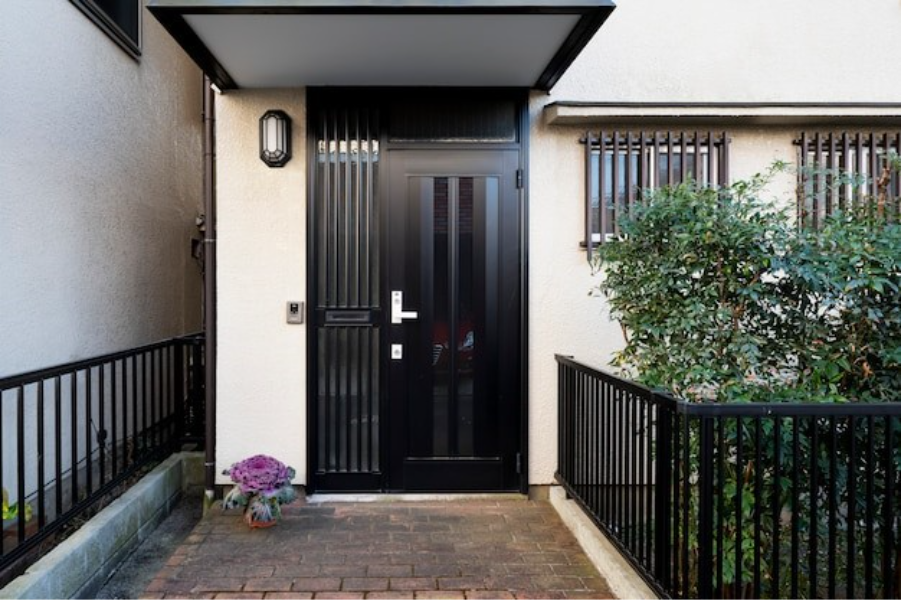
Storm doors are installed on the exterior side of an existing entry door. They act as an additional protective layer between your home and the outdoors.
Purpose of Storm Doors
Storm doors are designed to:
- Protect the main entry door from rain, snow, and wind
- Improve insulation during colder months
- Allow ventilation during warmer weather
- Extend the lifespan of the primary door
In Wisconsin, where weather conditions can change rapidly, storm doors are often valued for their flexibility.
Common Features of Storm Doors
Storm doors typically include:
- Interchangeable glass and screen panels
- Durable aluminum or composite frames
- Adjustable closers for controlled opening
- Enhanced weatherstripping
Some models allow homeowners to switch between full glass panels in winter and screen panels in summer.
Benefits of Storm Doors in Wisconsin Climates
Improved Energy Efficiency
A storm door adds an extra barrier against cold air in winter. This can reduce drafts and help stabilize indoor temperatures. While it is not a replacement for proper insulation, it can support overall energy performance.
Seasonal Ventilation
During mild spring and summer days, storm doors allow fresh air to circulate while keeping insects out. This is especially useful during short Wisconsin warm seasons.
Added Door Protection
Snow, ice, and rain can take a toll on exterior doors. Storm doors help shield the primary door from direct exposure, reducing wear and maintenance needs.
What Are Patio Doors?
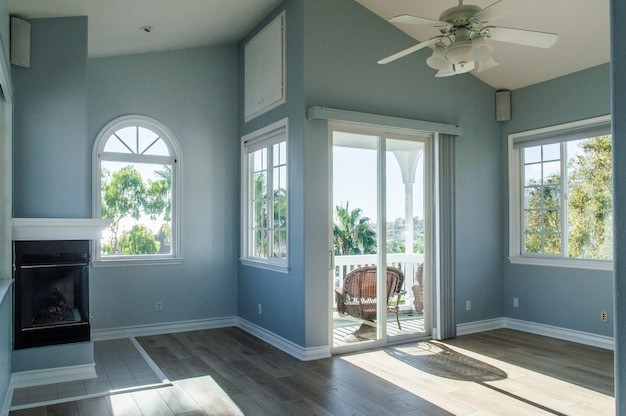
Patio doors are large door systems that provide access between indoor living spaces and outdoor areas such as decks, patios, or backyards. Unlike storm doors, patio doors often replace a section of wall and serve as a major architectural feature.
Types of Patios Doors
Common patio door styles include:
- Sliding glass doors
- Hinged patio doors
- Multi panel door systems
Sliding doors are particularly popular due to their space saving design and large glass panels.
Benefits of Patio Doors for Wisconsin Homes
Natural Light and Visibility
Patio doors feature large glass panels that allow more daylight into the home. This can make interior spaces feel brighter during shorter winter days.
Easy Outdoor Access
Patio doors create a smooth transition between indoor and outdoor spaces. This is ideal for entertaining, grilling, or simply enjoying outdoor views.
Modern Energy Efficient Designs
Modern patio doors are designed with insulated glass, low emissivity coatings, and tight seals to perform well even in colder climates like Wisconsin.
Storm Doors vs Patio Doors Wisconsin Home Comparison
When comparing storm doors vs patio doors in Wisconsin, the key difference lies in their function and placement.
Location and Use
Storm doors are installed over existing entry doors, usually at the front or side of the home. Patio doors are installed at the rear or side of the home and often replace a wall opening.
Size and Design
Storm doors are similar in size to standard entry doors. Patio doors are much larger and are designed to maximize glass area and outdoor access.
Energy Performance
Storm doors enhance insulation by adding an extra layer. Patio doors rely on advanced glass technology to maintain indoor comfort. Both can support energy efficiency when properly installed.
Visual Impact
Storm doors are subtle additions. Patio doors significantly affect interior lighting and exterior appearance.
Choosing the Right Door for Your Wisconsin Home
When a Storm Door Makes Sense
A storm door may be the right choice if:
- Your main entry door faces strong weather exposure
- You want seasonal ventilation without fully opening your door
- You are looking to protect an existing door investment
When a Patio Door Is the Better Option
A patio door may be ideal if:
- You want better access to outdoor living areas
- Your space needs more natural light
- You are renovating or expanding a living area
Material Considerations for Wisconsin Doors
Frame Materials
Door frames must withstand temperature changes and moisture. Common materials include:
- Aluminum for storm doors due to durability
- Fiberglass and vinyl for patio doors due to insulation performance
Fiberglass doors are especially popular for Wisconsin homes because they resist warping and provide consistent insulation.
Glass Options
Energy efficient glass is essential. Look for features such as:
- Double or triple pane glass
- Low emissivity coatings
- Argon or krypton gas fills
These features help reduce heat transfer and condensation.
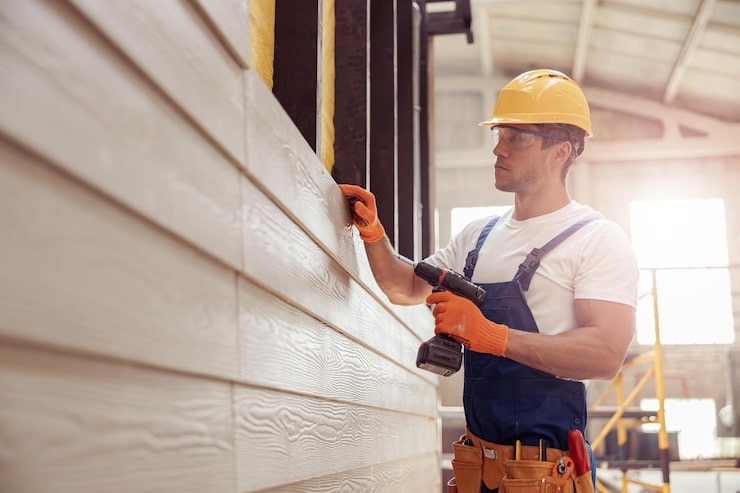
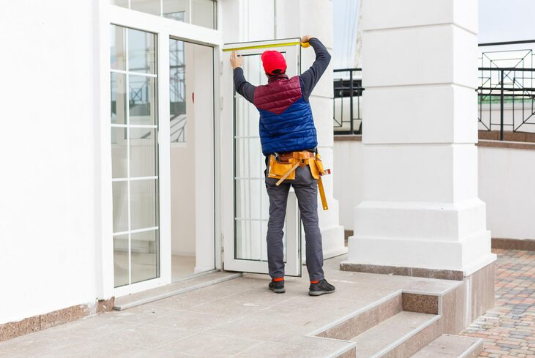
Importance of Professional Door Installation
Proper installation plays a major role in door performance. Even high-quality doors can underperform if installed incorrectly.
Professional installers ensure:
- Correct sealing and alignment
- Proper insulation around the frame
- Smooth operation and long-term durability
E2 Home Solutions provides door installation services tailored to Wisconsin homes.
Maintenance and Longevity in Wisconsin Conditions
Storm Door Maintenance
Storm doors require periodic checks for:
- Screen damage
- Closer adjustments
- Weatherstripping wear
Regular maintenance helps extend their lifespan.
Patio Door Maintenance
Patio doors benefit from:
- Cleaning tracks and rollers
- Inspecting seals
- Checking locking mechanisms
Winter conditions can cause debris buildup, so seasonal maintenance is important.
Planning Your Door Upgrade
Before choosing between storm doors and patio doors, consider:
- Your home layout
- Existing door condition
- Energy efficiency goals
- How you use your outdoor space
Consulting with a local professional can help you evaluate these factors realistically.
If you would like to discuss door options or request an evaluation, you can reach out through the contact page.
Frequently Asked Questions
Are storm doors necessary in Wisconsin?
Storm doors are not required, but they are commonly used in Wisconsin due to weather conditions. They offer added protection and ventilation benefits.
Do patio doors cause heat loss in winter?
Modern patio doors are designed to minimize heat loss through insulated glass and tight seals. Proper installation is key to performance.
Can a home have both storm doors and patio doors?
Yes. Many Wisconsin homes use storm doors on front entrances and patio doors for backyard access.
Which option is better for energy efficiency?
Storm doors improve insulation by adding a barrier, while patio doors rely on advanced glass technology. Both can be energy efficient when selected and installed correctly.
How long do storm doors and patio doors last?
With proper maintenance, storm doors can last 10 to 15 years. Patio doors can last 20 years or more depending on materials and usage.