
A solid, well-installed roof is one of the most important investments you can make in your home — especially in a state like Wisconsin, where heavy snow, ice, and strong winds are common. Whether you’re replacing an old roof or building a new home, understanding the installation process, material options, and contractor selection will help you make informed decisions.
If you’re looking for a reliable and experienced roofing partner, E2 Home Solutions offers professional residential roof installation services tailored for Wisconsin homeowners.
Why Residential Roof Installation is Different in Wisconsin
Wisconsin’s climate presents unique roofing challenges. Harsh winters, heavy snow loads, spring storms, and fluctuating temperatures can quickly wear down a poorly installed roof. The right roofing materials and installation techniques ensure your roof can handle:
- Snow and Ice Dams – Proper slope, ventilation, and underlayment prevent ice buildup.
- Wind Resistance – High-quality fastening methods protect against shingle blow-off.
- Energy Efficiency – Adequate insulation and ventilation reduce heating costs in winter and cooling costs in summer.
Signs It’s Time for a New Roof
Even the best roofs won’t last forever. Common signs you may need a new roof include:
- Age – Asphalt shingle roofs typically last 20–25 years.
- Leaks – Water stains on ceilings or attic moisture indicate possible damage.
- Shingle Damage – Curling, cracking, or missing shingles reduce protection.
- Granule Loss – Excess granules in gutters signal material wear.
Choosing the Right Roofing Material
Selecting the right roofing material is essential for both performance and aesthetics.
Asphalt Shingles
- Affordable and available in many styles.
- Average lifespan: 20–30 years.
- Performs well in most Wisconsin conditions.
Metal Roofing
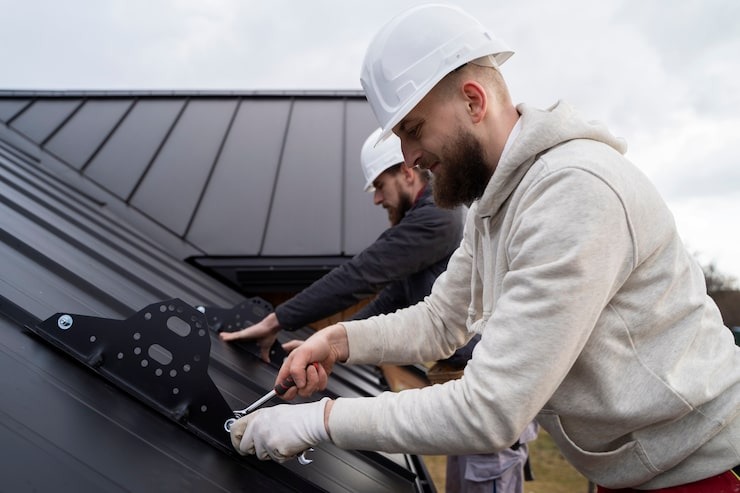
- Highly durable, lasting 40–70 years.
- Excellent for snow shedding and energy efficiency.
- Higher upfront cost but lower maintenance.
Eco-Friendly Options
- Recycled shingles, green roofs, or solar-integrated systems.
- Improves energy efficiency and environmental footprint.
Understanding the Residential Roof Installation Process
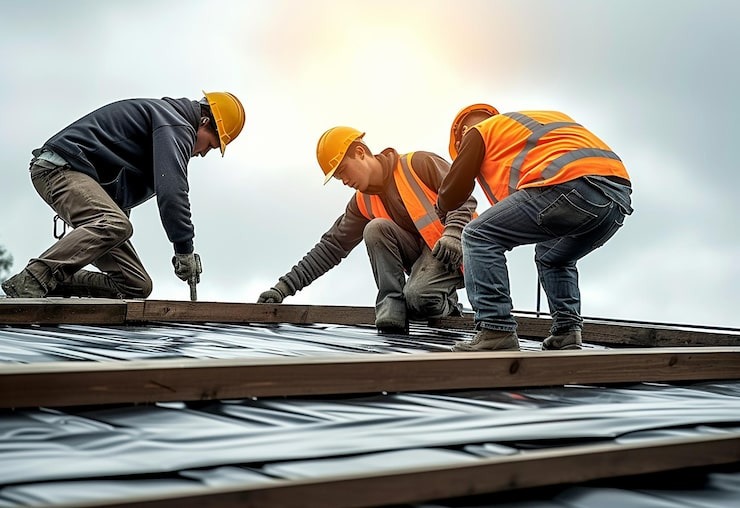
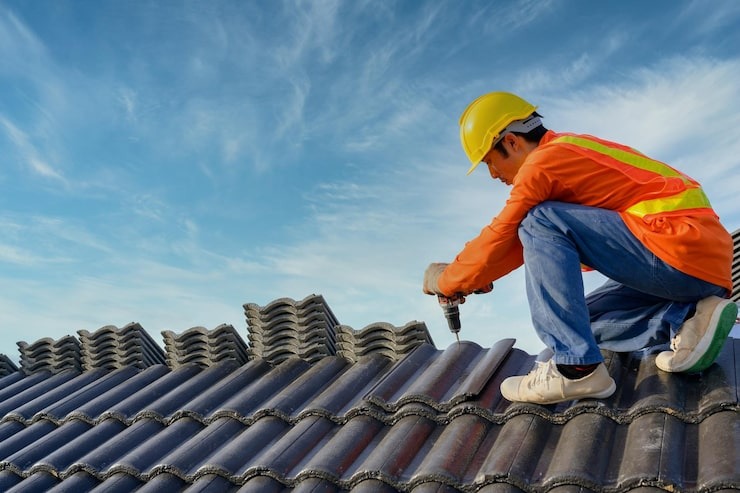
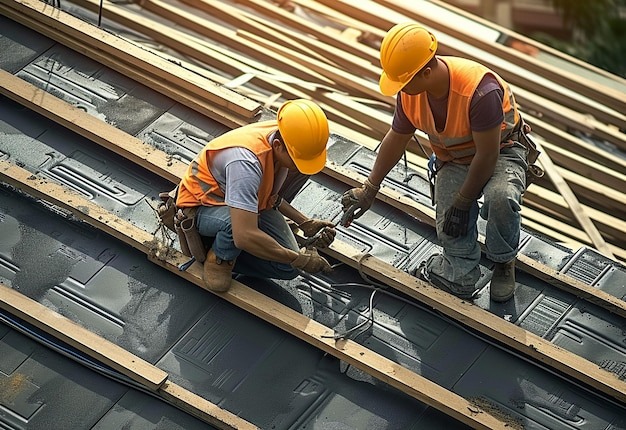
A professional residential roof installation follows a series of carefully planned steps:
- Site Preparation and Safety
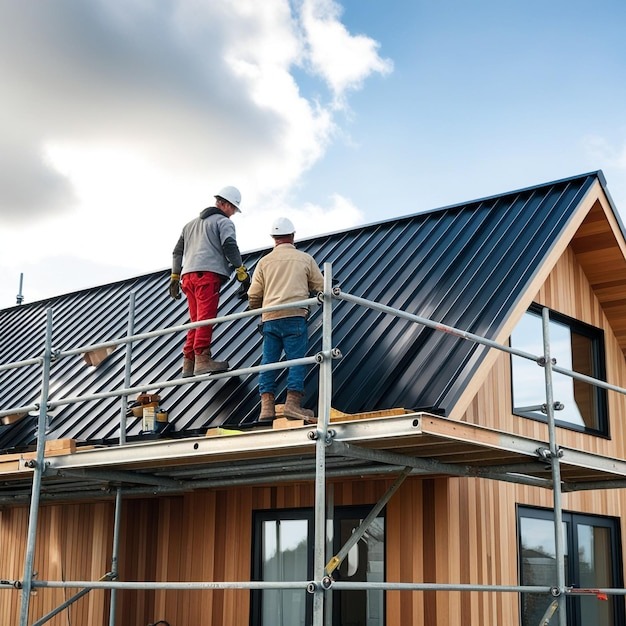
- Contractors protect landscaping and set up safety harnesses.
- Tear-Off vs. Overlay
- Tear-off removes the old roof entirely for a fresh start.
- Overlay installs new materials over the old roof (not recommended for all homes).
- Underlayment and Waterproofing
- Ice and water shields and synthetic underlayment protect against leaks.
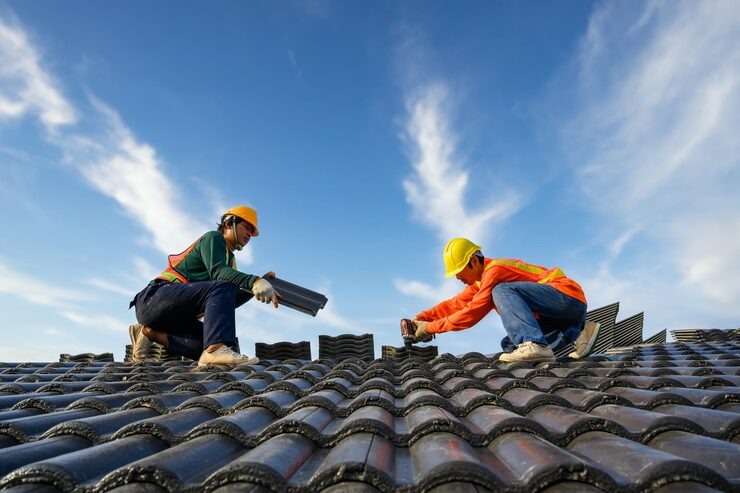
- Shingle or Panel Installation
- Roofing materials are installed according to manufacturer specifications for maximum durability.
- Flashing and Vents
- Sealing roof valleys, chimneys, and vents to prevent leaks.
- Final Inspection
- Contractors review the installation to ensure quality and safety.
Cost Factors for Residential Roof Installation in Wisconsin
Roof installation costs vary depending on:
- Material – Asphalt shingles are more affordable; metal and specialty materials cost more.
- Size and Complexity – Larger roofs or those with multiple slopes and features cost more to install.
- Labor Rates – Skilled contractors with certifications may charge more but often deliver better results.
- Seasonal Pricing – Costs may be lower in the off-season (late fall or winter).
How to Choose the Right Roofing Contractor
Your choice of contractor impacts the quality and longevity of your new roof. Look for:
- Licensing & Insurance – Ensures compliance and protection in case of accidents.
- Certifications – GAF, Owens Corning, or CertainTeed certifications indicate training and quality.
- Local Experience – Contractors familiar with Wisconsin’s climate can recommend the best solutions.
- References & Reviews – Ask for recent project examples and client feedback.
Common Mistakes to Avoid
- Choosing Based on Price Alone – Low bids can mean subpar materials or rushed work.
- Skipping a Tear-Off When Needed – Installing over damaged materials shortens the roof’s life.
- Ignoring Ventilation – Poor airflow can lead to moisture damage and higher energy costs.
Maintaining Your New Roof for Longevity
Regular maintenance is the key to ensuring your roof performs well for decades, protecting your home from costly water damage and structural issues. Partnering with a trusted local contractor like E2 Home Solutions ensures your roof is professionally inspected and maintained, addressing small issues before they become expensive repairs. Simple steps such as cleaning gutters, removing debris, and scheduling seasonal inspections can significantly extend the lifespan of your roofing system.
- Seasonal Inspections – Check for damage after storms and before winter.
- Gutter Cleaning – Prevents water backup that can damage shingles.
- Snow Removal – Heavy accumulation can stress roof structures.
- Professional Check-Ups – Schedule annual inspections with your contractor.
Conclusion
Residential roof installation in Wisconsin requires thoughtful material selection, skilled craftsmanship, and ongoing maintenance to withstand the state’s demanding climate. By investing in quality installation now, you protect your home, improve energy efficiency, and enhance curb appeal for years to come.
For expert guidance and a seamless installation process, contact us today and get started on your new roof with a team you can trust.
FAQs
1. How long does residential roof installation take?
Most installations take 1–3 days, depending on roof size, complexity, and weather conditions.
2. What’s the best roofing material for Wisconsin weather?
Asphalt shingles are common and cost-effective, but metal roofing offers superior durability and snow resistance.
3. Do I need to be home during roof installation?
Not necessarily, but being available for questions or unexpected decisions is helpful.
4. Can I install a new roof in winter?
Yes, with experienced contractors. However, cold temperatures can affect shingle flexibility, so extra care is required.
5. How often should I replace my roof?
Typically every 20–25 years for asphalt shingles, but factors like storm damage or poor maintenance may shorten this lifespan.