
A strong and well-maintained roof plays a vital role in protecting a home from changing weather conditions, moisture damage, and structural issues. Homeowners throughout southeastern Wisconsin often face challenges such as snow accumulation, heavy rainfall, strong winds, and fluctuating temperatures that can impact roof performance over time.
E2Home solutions works with homeowners seeking practical roofing options designed to improve protection, durability, and overall property value. Whether a roof requires repairs, replacement, or professional installation, understanding the roofing process can help homeowners make informed decisions that support long-term property maintenance.
This guide explains roofing systems, replacement considerations, installation processes, and factors to evaluate when selecting a professional roofing contractor.
Why Roofing Matters for Every Home
The roof is one of the most important structural components of a property. It serves as the first line of defense against environmental conditions while helping maintain indoor comfort and energy efficiency.
A properly functioning roof helps:
Protect the home’s structure from water damage
Improve energy efficiency
Reduce maintenance expenses
Support proper attic ventilation
Increase property value
Prevent mold and moisture issues
Enhance curb appeal
Extend the lifespan of the building
When roofing systems begin to deteriorate, homeowners may experience leaks, insulation problems, or structural concerns that require immediate attention.
Common Signs Your Roof May Need Replacement
While some roofing issues can be repaired, others may indicate the need for a complete replacement.
Aging Roofing Materials
Most roofing materials have a limited lifespan. Asphalt shingles typically last between 20 and 30 years, depending on installation quality and weather exposure.
Signs of aging include:
Curling shingles
Cracked roofing materials
Granule loss
Discoloration
Visible wear and tear
Frequent Leaks
Recurring leaks often suggest deeper roofing problems that may not be resolved through simple repairs.
Common indicators include:
Water stains on ceilings
Damp attic insulation
Mold growth
Interior wall discoloration
Storm Damage
Southeastern Wisconsin experiences weather conditions that can affect roofing systems throughout the year.
Potential storm-related damage includes:
Missing shingles
Wind uplift damage
Hail impacts
Flashing deterioration
Water penetration
Sagging Roof Structure
A sagging roof may indicate underlying structural concerns that require immediate evaluation by a professional.
Warning signs include:
Uneven roof lines
Visible dips
Structural deformation
Interior ceiling movement
The Importance of Hiring a Professional Roofing Installer
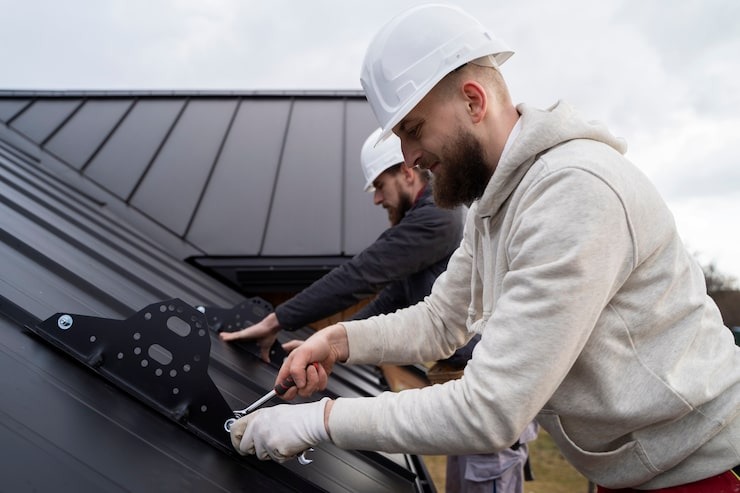
Choosing a qualified Roofing Installer can significantly impact the quality and lifespan of a roofing system.
Professional installers understand:
Local building requirements
Roofing material specifications
Proper ventilation practices
Waterproofing techniques
Safety procedures
Manufacturer installation guidelines
A skilled Roofing Installer can identify hidden issues before installation begins, reducing the likelihood of future complications.
Benefits of Professional Installation
Homeowners benefit from professional installation in several ways:
Accurate roof assessment
Proper material selection
Efficient project completion
Compliance with local regulations
Improved roof longevity
Enhanced weather resistance
Professional installation also helps ensure roofing materials perform as intended throughout their expected lifespan.
Roofing Materials Commonly Used in Southeastern Wisconsin
Climate conditions play an important role when selecting roofing materials.
Asphalt Shingles
Asphalt shingles remain one of the most widely used residential roofing materials.
Advantages include:
Cost effectiveness
Wide design variety
Easy maintenance
Reliable weather protection
Broad availability
Metal Roofing
Metal roofing has gained popularity because of its durability and energy efficiency.
Benefits include:
Long lifespan
Snow shedding capability
Fire resistance
Low maintenance requirements
Energy efficiency
Architectural Shingles
Architectural shingles offer enhanced durability and visual appeal.
Features include:
Thicker construction
Improved wind resistance
Enhanced appearance
Extended lifespan
Composite Roofing Materials
Composite roofing products are designed to replicate traditional materials while offering improved performance.
Advantages include:
Weather resistance
Lightweight construction
Design flexibility
Long-term durability
Understanding the Roofing Replacement Process
Homeowners considering roofing replacement services in southeastern Wisconsin often benefit from understanding the replacement process before work begins.
Initial Inspection
The process typically starts with a comprehensive roof inspection.
During the inspection, professionals evaluate:
Shingle condition
Structural integrity
Ventilation systems
Flashing performance
Moisture concerns
Project Planning
After inspection, a replacement plan is developed based on:
Roof size
Material selection
Budget considerations
Structural requirements
Local code compliance
Removal of Existing Roofing
The old roofing materials are carefully removed to expose the roof deck.
This stage allows contractors to identify:
Hidden water damage
Decking issues
Structural concerns
Ventilation deficiencies
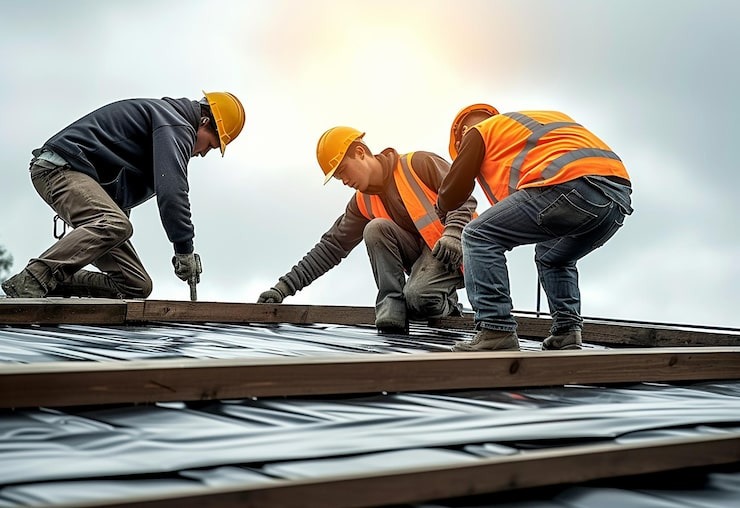
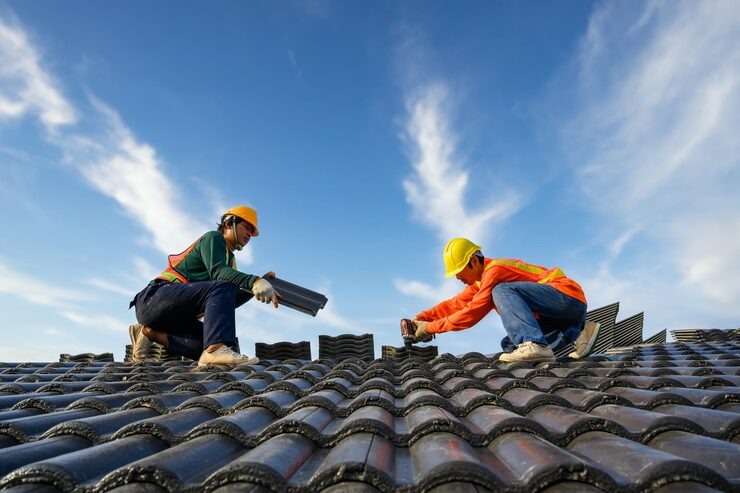
Installation of New Roofing System
The new roofing system is then installed according to industry standards.
Installation commonly includes:
Underlayment placement
Flashing installation
Ventilation improvements
Shingle or roofing material installation
Final sealing and finishing
Final Inspection
A final inspection helps verify that all work has been completed correctly and that the roofing system is functioning as intended.
Factors That Affect Roofing Replacement Costs
Several variables influence roofing replacement expenses.
Roof Size
Larger roofs require:
More materials
Additional labor
Extended project timelines
Material Selection
Different roofing materials have varying costs based on:
Durability
Performance
Appearance
Installation complexity
Roof Complexity
Complex roof designs may include:
Multiple slopes
Valleys
Dormers
Skylights
Chimneys
These features can increase installation requirements.
Structural Repairs
If hidden damage is discovered during replacement, additional repairs may be necessary before new materials can be installed.
How Weather Impacts Roofing Systems in Southeastern Wisconsin
Homeowners seeking roofing replacement services in southeastern Wisconsin should understand how local weather conditions affect roofing performance.
Winter Conditions
Winter weather can create challenges such as:
Ice dams
Snow accumulation
Freeze-thaw cycles
Moisture infiltration
Spring Rainfall
Heavy rain can expose weaknesses in aging roofing systems.
Potential issues include:
Water intrusion
Flashing failures
Gutter overflow
Drainage problems
Summer Heat
High temperatures can contribute to:
Material expansion
Ventilation challenges
Premature aging
Wind Events
Strong winds may cause:
Shingle displacement
Flashing damage
Debris impacts
Structural stress
Roof Maintenance Tips for Long-Term Performance
Routine maintenance helps maximize roofing lifespan and reduce unexpected repairs.
Recommended maintenance practices include:
Scheduling annual inspections
Cleaning gutters regularly
Removing roof debris
Checking attic ventilation
Monitoring flashing condition
Addressing minor issues promptly
Trimming overhanging branches
Inspecting after severe storms
Consistent maintenance can help identify concerns before they become costly repairs.
How to Choose the Right Roofing Service Provider
Selecting a dependable roofing service provider requires careful evaluation.
Verify Experience
Look for contractors with experience handling:
Residential roofing
Replacement projects
Installation services
Local climate challenges
Review Previous Work
Homeowners should evaluate:
Project portfolios
Customer feedback
Completed installations
Service history
Confirm Licensing and Insurance
Proper credentials help ensure compliance with industry standards and local requirements.
Important considerations include:
Business licensing
Liability coverage
Worker protection insurance
Local certifications
Request Detailed Estimates
A comprehensive estimate should outline:
Materials
Labor
Project scope
Timeline
Cleanup procedures
Clear documentation helps homeowners understand project expectations.
The Value of Professional Roofing Services
A reliable roofing service contributes to the overall health and protection of a home. Professional roofing solutions can help reduce future maintenance concerns while improving property resilience against changing weather conditions.
Whether addressing aging materials, storm damage, or long-term maintenance planning, homeowners benefit from informed decisions and professional guidance throughout the roofing process.
Working with experienced professionals allows property owners to evaluate options, understand material performance, and implement roofing solutions that align with their home’s needs.
Conclusion
A roof is one of the most important investments a homeowner can make. Understanding warning signs, material options, installation processes, and maintenance requirements helps homeowners make confident decisions about their roofing needs.
For those considering roofing replacement services in southeastern Wisconsin, selecting an experienced Roofing Installer and maintaining a proactive approach to roof care can help improve long-term durability and property protection.
E2Home solutions supports homeowners by providing roofing expertise, installation knowledge, and practical guidance designed to help properties remain protected throughout every season.
Frequently Asked Questions
How do I know if my roof needs replacement or repair?
A professional inspection can determine whether isolated repairs are sufficient or if widespread damage requires full replacement. Factors such as age, recurring leaks, and structural issues are often considered.
How long does a roofing replacement project typically take?
Most residential roofing projects can be completed within a few days, although timing depends on roof size, weather conditions, and project complexity.
What is the average lifespan of an asphalt shingle roof?
Many asphalt shingle roofs last between 20 and 30 years when properly installed and maintained.
Why is professional installation important?
A qualified Roofing Installer follows proper installation procedures, helping ensure durability, weather resistance, and compliance with local building requirements.
What maintenance should homeowners perform after a roof replacement?
Homeowners should schedule regular inspections, keep gutters clean, monitor attic ventilation, and address minor concerns before they develop into larger problems.
Who should I contact for roofing information and project guidance?
Homeowners interested in learning more about roofing options, inspections, or replacement planning can Contact us for further assistance and information.