
Homeowners in Wisconsin face unique challenges when it comes to maintaining their roofs. From heavy snowfall to seasonal temperature swings, roofing systems must withstand a wide range of environmental conditions. Choosing the right roof replacement is not just about appearance but also about durability, efficiency, and long-term value.
E2 Home Solutions is a Wisconsin-based contractor specializing in exterior home improvements, including roofing and siding services. With experience in local weather conditions and building requirements, they provide homeowners with practical solutions tailored to regional needs. Wisconsin roofing installation helps homeowners make informed decisions when planning a roof replacement.
This guide explores everything you need to know about roof replacement in Wisconsin in 2026, including materials, timing, and key decision factors.
Why Roof Replacement Matters in Wisconsin
Roof replacement is a significant investment, but in Wisconsin, it is often a necessary one due to the state’s climate. Seasonal extremes can gradually weaken roofing systems, even when they appear structurally sound.
Some of the most common environmental challenges include:
- Heavy snow loads that place stress on the roof structure
- Ice dams that can lead to water infiltration
- Freeze-thaw cycles that cause materials to expand and contract
- Strong winds that may loosen or remove shingles
Because of these conditions, roofs in Wisconsin often require more frequent inspection and timely replacement compared to those in milder regions.
Signs You Need a Roof Replacement
Understanding when to replace your roof is essential for preventing further structural damage. While some issues can be repaired, others indicate the need for a full roof replacement.
Common warning signs include:
- Aging materials: Most asphalt roofs last between 20 and 30 years
- Visible shingle damage: Curling, cracking, or missing shingles
- Leaks or water stains: Evidence of moisture inside the home
- Granule loss: Shingle particles collecting in gutters
- Sagging areas: Potential structural concerns
Types of Roofing Materials for Wisconsin Homes
Selecting the right material is one of the most important decisions in a roof replacement. Each option offers different benefits depending on your priorities and the local climate.
Asphalt Shingles
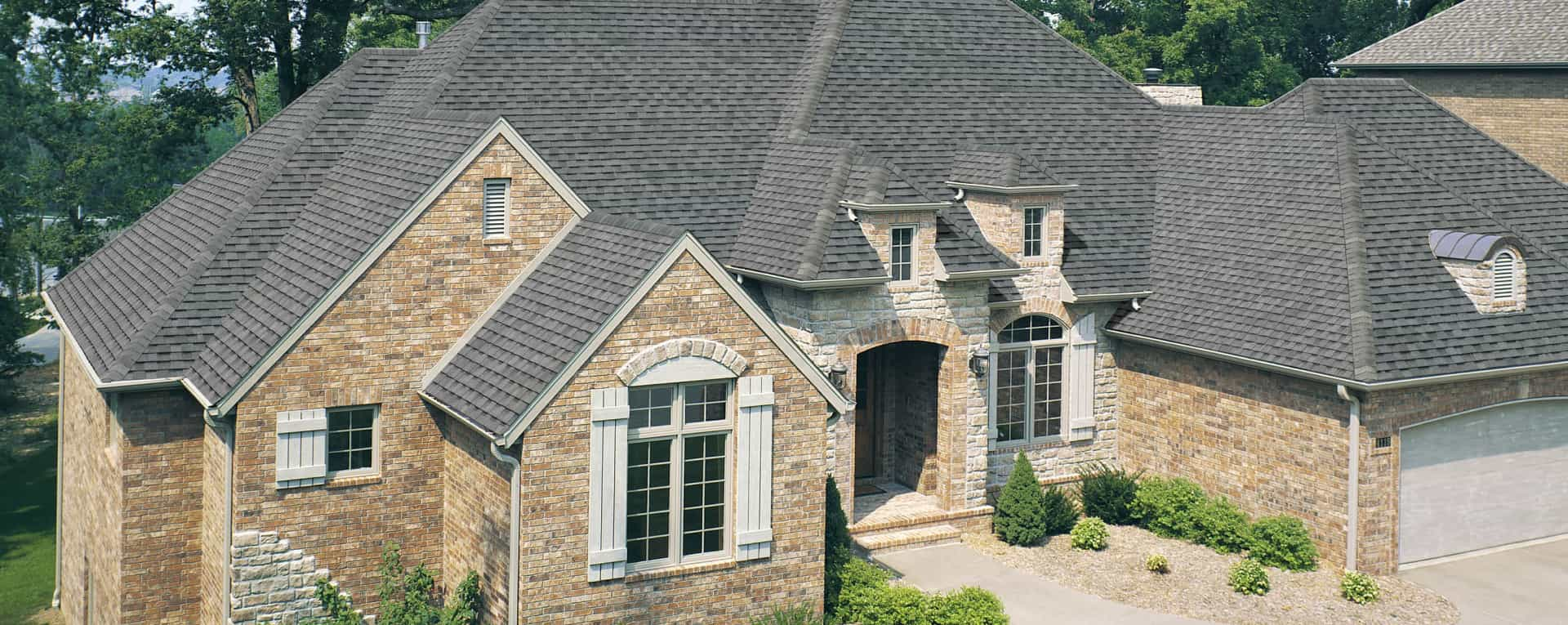
Asphalt shingles remain one of the most widely used roofing materials. They are suitable for a variety of home styles and are relatively easy to install.
Key points to consider:
- Cost-effective and widely available
- Available in multiple colors and styles
- Easier to repair compared to other materials
- Moderate lifespan in harsh climates
Metal Roofing
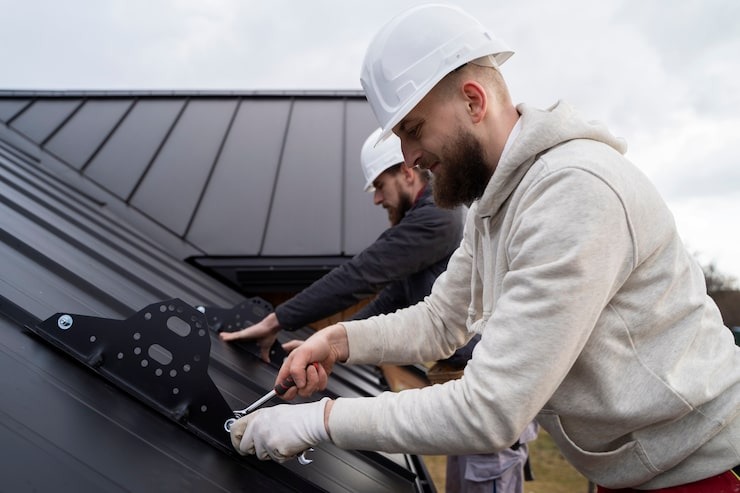
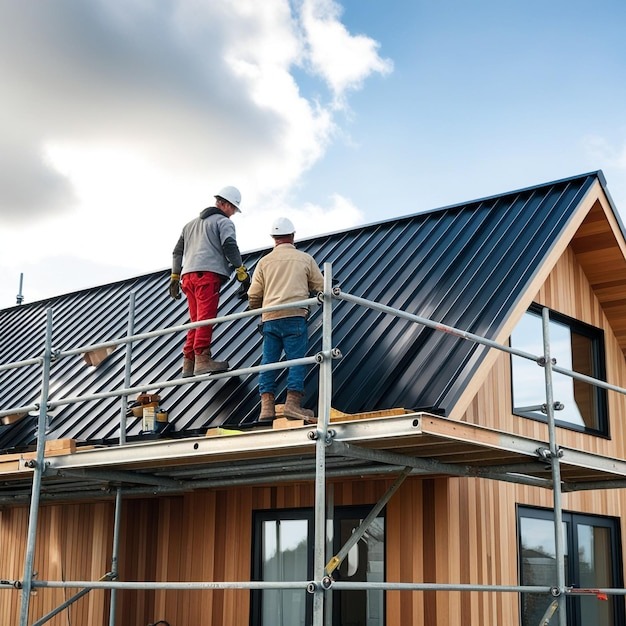
Metal roofing has become increasingly popular in Wisconsin due to its durability and ability to handle snow.
Important features include:
- Long lifespan with minimal maintenance
- Allows snow to slide off more easily
- Resistant to wind and weather damage
- Requires proper installation for best performance
Cedar Shake Roofing
Cedar shake roofs offer a natural look and provide insulation benefits. However, they require more maintenance than other materials.
Consider the following:
- Distinct appearance that enhances curb appeal
- Natural insulating properties
- Requires regular upkeep
- Sensitive to moisture if not properly treated
Synthetic Roofing Materials
Synthetic options are designed to replicate the look of traditional materials while offering improved durability.
They typically provide:
- Resistance to weather-related damage
- Lightweight construction
- Lower maintenance requirements
- A balance between appearance and performance
Best Time for Roof Replacement in Wisconsin
Timing plays a key role in ensuring a smooth roof replacement process. Weather conditions directly affect installation quality and efficiency.
The most suitable seasons include:
- Spring and summer: Mild temperatures support proper material sealing
- Fall: Stable conditions make it one of the most reliable times for installation
While winter installations are possible, they can be more complex due to cold temperatures and potential snowfall. Planning ahead helps avoid seasonal delays.
How to Choose the Right Roofing Contractor
Selecting a qualified contractor is essential for a successful roof replacement. The right professional can guide you through material selection, installation, and maintenance considerations.
When evaluating contractors, consider:
- Local experience: Familiarity with Wisconsin weather conditions
- Licensing and insurance: Compliance with state requirements
- Clear communication: Transparent timelines and expectations
- References: Feedback from previous projects
If you are also planning broader exterior improvements, services such as Wisconsin siding installation can be explored alongside roofing work.
Energy Efficiency and Roof Replacement
Modern roof replacement projects often focus on improving energy efficiency. A well-designed roofing system can help regulate indoor temperatures throughout the year.
Key benefits include:
- Better insulation during winter months
- Reduced heat absorption in summer
- Improved indoor comfort
- Lower overall energy consumption
Energy-efficient roofing solutions may involve reflective materials, proper insulation, and adequate ventilation. These features are especially useful in regions with significant seasonal variation.
Roof Replacement vs Roof Repair
Not all roofing issues require a complete replacement. Understanding the difference between repair and replacement helps in making practical decisions.
When Repair May Be Enough
- Minor leaks confined to a specific area
- Limited shingle damage
- Early signs of wear
When Replacement Is Necessary
- Widespread damage across the roof
- Structural concerns or sagging
- Roof nearing the end of its lifespan
A professional inspection is often the best way to determine the appropriate solution.
The Roof Replacement Process
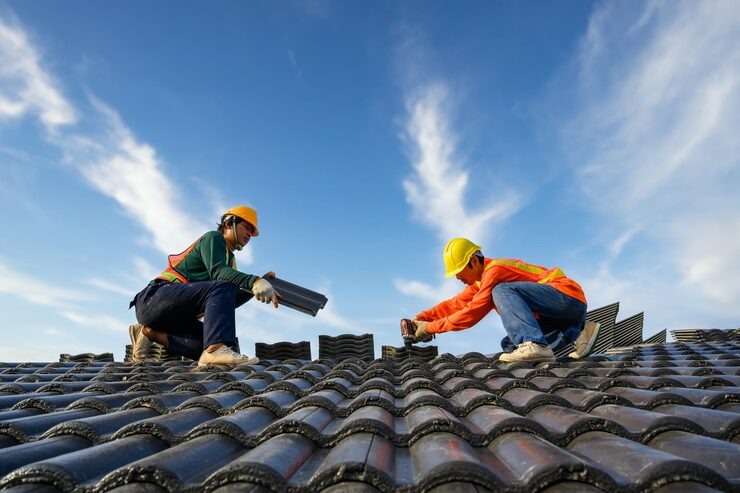
Knowing what to expect during a roof replacement can help homeowners prepare in advance. While the process may vary slightly depending on the project, it generally follows a structured approach.
Typical steps include:
- Inspection: Assessment of the current roof condition
- Material selection: Choosing suitable roofing materials
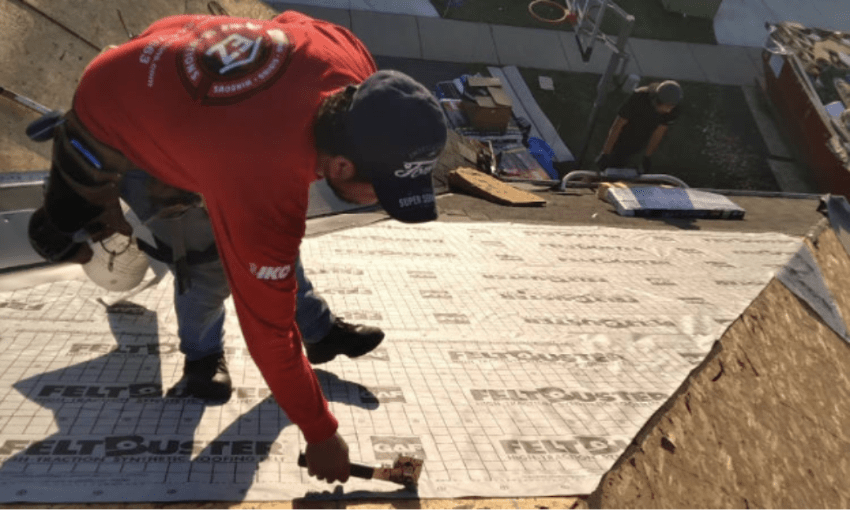
- Preparation: Removing existing roofing materials
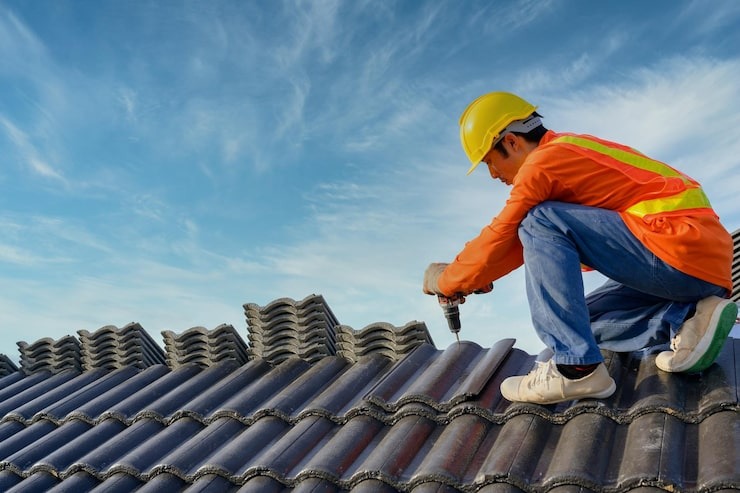
- Installation: Installing the new roof system
- Final inspection: Ensuring quality and compliance
Understanding these stages helps reduce uncertainty and ensures a smoother experience.
Maintenance Tips After Roof Replacement
Maintaining a new roof is essential for extending its lifespan and preserving its performance. Regular upkeep can prevent small issues from becoming major problems.
Recommended practices include:
- Cleaning gutters to prevent water buildup
- Inspecting the roof after severe weather
- Removing debris such as leaves and branches
- Scheduling periodic professional inspections
Consistent maintenance supports long-term durability and efficiency.
When to Contact a Professional
If you notice signs of damage or are planning a roof replacement, consulting a professional is an important step. You can reach out through contact page to discuss your requirements and get guidance based on your home’s condition.
FAQ Section
How long does a roof replacement take in Wisconsin?
Most residential roof replacements are completed within one to three days, depending on the size of the home and weather conditions.
What is the best roofing material for Wisconsin homes?
Asphalt shingles are commonly used, while metal roofing is valued for its durability and ability to handle snow.
How often should a roof be replaced?
In most cases, asphalt roofs last around 20 to 30 years, though this can vary depending on maintenance and environmental factors.
Can roof replacement be done in winter?
Yes, but it can be more challenging due to colder temperatures and potential snow. Proper precautions are required.
Does a new roof improve energy efficiency?
A properly installed roof with good insulation and ventilation can help regulate indoor temperatures and improve energy efficiency.
How do I know if I need a full replacement or just repairs?
A professional inspection can determine whether damage is limited or widespread enough to require a full replacement.