

Planning a bathroom upgrade involves more than choosing new tiles, fixtures and colours. It requires careful planning, suitable materials, plumbing considerations and skilled installation to ensure the finished space is functional and durable. E2 Home Solutions provides home improvement and bathroom installation services, helping homeowners understand their renovation options and plan projects around their property requirements. Working with a professional bathroom installer can make the process more organised, from the initial consultation to the final inspection.
Why Hire a Professional Bathroom Installer?
Bathroom installation involves several connected tasks, including removing existing fixtures, preparing surfaces, managing plumbing connections and installing new bathroom components. Each stage needs to be completed correctly to avoid problems such as leaks, poor drainage, uneven surfaces and improper fixture fitting.
A professional installer can assess the existing bathroom, identify potential challenges and recommend suitable installation options. This is particularly important when the project involves changing the bathroom layout, replacing a shower or updating plumbing connections.
Working with an experienced bathroom installer also helps homeowners understand the scope of work before installation begins. Clear planning makes it easier to establish project expectations, material requirements and an appropriate timeline.
What Happens During the Initial Bathroom Design Consultation?
The consultation is usually the first stage of a professional bathroom installation project. During this discussion, the installer learns about the homeowner’s requirements, existing bathroom conditions and expected improvements.
Understanding Your Bathroom Requirements
Every household uses its bathroom differently. Some homeowners want to improve accessibility, while others need more storage, better lighting or a more practical shower area.
The installer may discuss how many people use the bathroom, which features need replacing and whether the existing layout is suitable. These details help determine which improvements should be prioritised.
Assessing the Existing Bathroom
An initial assessment helps identify the condition of existing fixtures, plumbing connections, flooring, walls and ventilation. The installer may also look for visible signs of moisture damage, damaged surfaces or other issues that could affect the project.
If structural or plumbing concerns are discovered, they may need further evaluation before the installation work proceeds. Identifying these requirements early can help reduce unexpected changes during the renovation.
Planning the Bathroom Layout and Selecting Materials
Once the initial requirements are understood, the next stage involves planning the bathroom layout and choosing appropriate materials. A well-planned bathroom should balance appearance, available space, maintenance requirements and everyday functionality.
For smaller bathrooms, the layout may need to maximise available floor space without making the room difficult to use. Larger bathrooms may offer more flexibility when positioning showers, vanities, storage units and other fixtures.
Material selection is equally important. Flooring, wall finishes, shower surrounds and countertops should be suitable for bathroom conditions. Moisture-resistant materials and properly sealed surfaces can help manage regular exposure to water and humidity.
Homeowners should also consider how easy different materials are to clean and maintain. A design that looks attractive initially should also remain practical for everyday use.
Preparing the Bathroom Before Installation
Preparation is an important stage because the quality of the finished installation depends partly on the condition of the surfaces and connections underneath.
Depending on the project, preparation may involve removing old fixtures, taking out damaged materials, preparing walls and floors, and checking plumbing connections.
If the existing bathroom has water damage or deteriorated surfaces, those problems should be addressed before new materials are installed. Covering an underlying issue without correcting it may lead to additional maintenance problems later.
The installation team should also plan how debris will be managed and how the surrounding areas of the home will be protected during the work.
What to Expect During Bathroom Installation
The installation stage brings together the planning, materials and preparation completed earlier. The exact sequence depends on the bathroom design and the scope of the project.
Plumbing and Fixture Installation
Plumbing is one of the most important parts of bathroom installation. Toilets, sinks, faucets and showers must connect correctly to the water supply and drainage systems.
The installer may need to adjust existing connections depending on the selected fixtures and bathroom layout. Any changes should be completed according to applicable plumbing requirements.
Proper connections and leak checks are important before surrounding surfaces are finished.
Shower Installation and Waterproofing
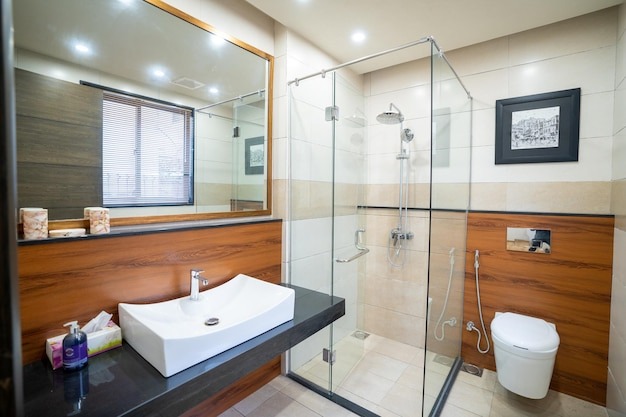
The shower area requires particular attention because it experiences frequent contact with water. Correct waterproofing, suitable wall materials and properly installed drainage components help protect the surrounding structure.
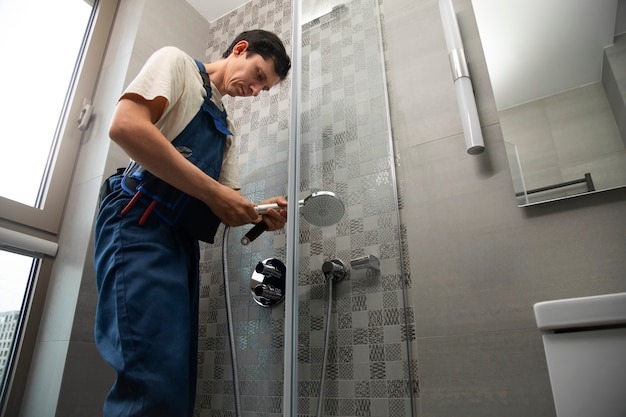
A professional shower installer can help homeowners understand the requirements involved in installing or replacing a shower.
The installation may include preparing the shower base, fitting wall panels or other approved finishes, installing fixtures and checking drainage. Seals and joints should also be inspected to reduce the risk of water escaping into surrounding areas.
Flooring, Walls and Bathroom Fixtures
After the necessary preparation and plumbing work, the remaining bathroom components can be installed. Depending on the project, this may include flooring, wall finishes, vanities, mirrors, cabinets, lighting and accessories.
Flooring should be properly aligned, and surfaces should be finished according to the selected material’s installation requirements. Fixtures should be securely fitted and positioned for convenient everyday use.
Attention to these details helps create a bathroom that is both functional and visually consistent.
How Long Does Professional Bathroom Installation Take?
The installation timeline depends on the size of the bathroom, the condition of the existing space and the amount of work involved.
A straightforward fixture replacement may take considerably less time than a complete bathroom renovation. Projects involving plumbing changes, extensive surface preparation, waterproofing or structural repairs generally require additional time.
Material availability and unexpected conditions can also affect the schedule. For this reason, homeowners should discuss the expected timeline with their installer before work begins.
A clear project schedule should explain the major stages, including preparation, installation, finishing and final inspection.
Bathroom Remodelling vs Replacement: Understanding the Difference
Not every bathroom improvement requires a complete renovation. The right approach depends on the condition of the existing bathroom and the changes the homeowner wants to make.
Bathroom remodelling generally involves updating or changing different parts of the existing space. This may include replacing fixtures, improving the layout, updating surfaces or making changes to the shower area.
Bathroom replacement, on the other hand, may involve removing existing components and installing new ones. The extent of the work depends on whether individual fixtures or a larger part of the bathroom needs replacing.
Understanding the difference between bathroom remodelling and replacement can help homeowners choose an approach that matches their requirements and budget.
What Happens During the Final Bathroom Inspection?
Once installation is complete, the bathroom should be inspected before the project is considered finished. This stage helps identify installation issues that may need attention.
The inspection may include checking faucets, shower fixtures, toilets and drainage connections. Water flow should be tested, and visible plumbing connections should be checked for leaks.
The installer should also examine seals, finished surfaces, flooring and fixture stability. Doors, drawers and other moving components should operate correctly.
Homeowners should take this opportunity to ask questions about cleaning, maintenance and the correct use of newly installed fixtures. Understanding basic care requirements can help protect the finished bathroom.
Conclusion
Hiring a professional bathroom installer involves more than arranging the installation of new fixtures. The process includes understanding household requirements, assessing the existing space, planning the layout, selecting materials, preparing surfaces and completing the installation carefully.
From plumbing connections and shower waterproofing to flooring and final inspections, each stage contributes to the bathroom’s functionality and long-term condition. Homeowners should discuss the project scope, expected timeline and installation requirements before work begins.
E2 Home Solutions provides bathroom installation and home improvement services for homeowners looking to update their living spaces. To discuss your bathroom project and understand the available services, Contact us.