

Your front door does much more than provide access to your home. It contributes to security, energy efficiency, weather protection, and your property’s overall appearance. Over time, every entry door experiences wear from daily use, changing weather conditions, and ageing materials. When problems develop, many homeowners ask the same question: should you choose Door Repair or invest in Door Replacement?
At E2 Home Solutions, homeowners receive practical guidance for maintaining and improving their exterior doors. Whether the issue is a damaged frame, worn hinges, poor insulation, or an outdated entrance, understanding the difference between repairing and replacing a door helps you make a more informed financial decision. Every home is different, and selecting the right solution depends on the door’s condition, repair costs, and expected lifespan.
This guide explains when repairs make financial sense, when replacement offers better long-term value, and how professional door installation can improve your home’s performance.
Why Your Entry Door Matters More Than You Think
An entry door is one of the hardest-working parts of any home. It protects against weather, helps regulate indoor temperatures, provides security, and creates a strong first impression. Even minor damage can reduce its effectiveness over time.
Small issues may seem harmless at first, but ignoring them can lead to higher energy bills, moisture damage, security concerns, and more expensive repairs later. Understanding whether repairs are enough or whether replacement provides better value can save money over the long term.
Common Problems That Affect Entry Doors
Many door issues develop gradually. Regular inspections help identify problems before they become major expenses.
Some common issues include:
- Loose or damaged hinges
- Drafts around the frame
- Warped or swollen doors
- Broken locks or handles
- Cracked glass panels
- Water damage
- Peeling finishes
- Difficulty opening or closing the door
Not every problem requires a complete replacement. The key is identifying whether the damage affects only one component or the entire door system.
When Door Repair Is the More Cost-Effective Option
In many situations, Door Repair provides an affordable solution. If the structural integrity of the door remains strong, repairing damaged components often restores both functionality and appearance.
Minor Cosmetic Damage
Scratches, dents, chipped paint, or small surface cracks can usually be repaired without replacing the entire door. Refinishing or repainting often extends the life of wooden or fibreglass doors.
Hardware Problems
Door handles, deadbolts, hinges, weather stripping, and closers naturally wear out over time. Replacing these components costs significantly less than installing a completely new door.
Small Drafts
Air leaks are often caused by worn weather seals rather than the door itself. Installing new weather stripping improves insulation while keeping repair costs relatively low.
Glass Replacement
If only the decorative glass panel has been damaged, replacing the glass is generally much less expensive than replacing the entire entry door.
Signs That Door Replacement Makes Better Financial Sense
Although repairs may solve immediate problems, there are situations where Door Replacement becomes the smarter investment.
Extensive Structural Damage
Rotting wood, severe warping, rusted steel, or cracked frames reduce both safety and performance. Structural damage often continues to worsen, making repeated repairs increasingly expensive.
Poor Energy Efficiency
Older doors typically provide less insulation than modern products. If you notice persistent drafts despite repairs, replacing the door can reduce heating and cooling costs.
Multiple Repairs Over Several Years
If you continually spend money repairing the same door, replacement often becomes more economical. Instead of paying for repeated maintenance, a new door provides improved reliability and fewer future repair expenses.
Security Concerns
Older doors with weakened frames or outdated locking systems may no longer provide adequate protection. Modern doors are designed with stronger materials and improved security features.
Comparing the Costs of Door Repair and Door Replacement
Cost is usually the deciding factor for homeowners.
Repairs generally involve replacing individual components or fixing isolated damage. Depending on the issue, repair costs remain relatively manageable.
Replacement requires purchasing a new door, removing the existing unit, and completing professional door installation. While the upfront investment is higher, replacement often reduces maintenance costs and improves long-term efficiency.
Instead of focusing only on today’s expense, homeowners should consider the total cost over the next ten to twenty years.
Long-Term Savings from a New Entry Door
Many homeowners initially choose repairs because they appear less expensive. However, replacement may offer greater financial benefits over time.
Improved Energy Efficiency
Modern entry doors feature insulated cores, advanced weather seals, and energy-efficient construction. These improvements reduce air leakage and help maintain consistent indoor temperatures.
Lower heating and cooling demand may contribute to ongoing energy savings throughout the year.
Reduced Maintenance
Older doors often require regular painting, sealing, or repeated hardware repairs.
A newly installed door generally requires less maintenance, allowing homeowners to avoid recurring repair costs.
Increased Property Value
A well-maintained entry door enhances curb appeal and creates a positive first impression. Buyers often notice updated exterior features, making a new entry door a worthwhile home improvement.
Better Durability
Modern materials such as fibreglass and insulated steel resist warping, moisture, and everyday wear more effectively than many older wooden doors.
Factors That Influence Your Decision
Every home presents unique circumstances. Before deciding between repair and replacement, consider several important factors.
Age of the Door
If the door is relatively new and only has minor issues, repairs usually provide good value.
Older doors nearing the end of their expected lifespan often justify replacement.
Extent of Damage
Surface damage rarely requires replacement. Structural deterioration usually does.
Energy Performance
If your home experiences noticeable drafts or increasing energy costs, replacing an outdated door may improve overall efficiency.
Future Renovation Plans
If you plan to update your home’s exterior, replacing the front door during the renovation often provides a more cohesive appearance.
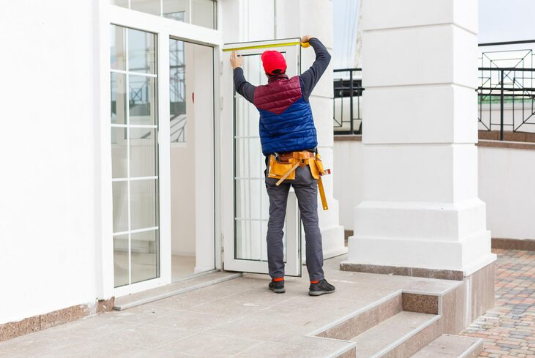
Why Professional Door Installation Matters
Even the highest-quality entry door cannot perform properly without correct installation.
Professional door installation helps ensure:
- Accurate alignment
- Proper sealing against drafts
- Smooth operation
- Improved security
- Longer product lifespan
- Better energy efficiency
Improper installation can lead to gaps, water intrusion, sticking doors, and unnecessary repairs. Hiring an experienced door installer reduces these risks while helping maximise the value of your investment.
Repair or Replace? A Practical Checklist
Choosing between repair and replacement becomes easier by asking a few simple questions.
Consider repairing your door if:
- The damage is limited to one component.
- The frame remains structurally sound.
- Repairs cost significantly less than replacement.
- The door still provides adequate insulation and security.
Consider replacing your door if:
- Structural damage is extensive.
- Multiple repairs have already been completed.
- Energy efficiency has noticeably declined.
- Security is compromised.
- You want to improve your home’s appearance and long-term value.
Making the Right Financial Decision
There is no universal answer that fits every home. Some doors only require minor repairs to continue performing well for many years. Others have reached the point where replacement becomes the more practical and cost-effective choice.
A professional inspection helps determine the condition of both the door and the surrounding frame. Comparing expected repair costs with the long-term benefits of replacement allows homeowners to make a confident decision based on value rather than simply choosing the lowest upfront cost.
If you are uncertain which option is appropriate for your property, E2 Home Solutions can assess your existing entry door and explain the available solutions. Whether your home requires expert Door Repair, complete Door Replacement, or professional door installation by an experienced door installer, obtaining professional advice ensures you invest wisely. If you would like personalised recommendations, contact us to discuss your home’s needs.