
A residential roof installation is a significant home improvement project that involves much more than placing new shingles over an existing roof. From the initial inspection and material assessment to preparation, installation and final cleanup, each stage helps determine the quality and longevity of the finished roof. Wisconsin homeowners also need to consider seasonal weather, moisture, snow and temperature changes when planning roofing work.
Understanding the process can make it easier to prepare your home, communicate with your roofing contractor and identify what should happen at each stage. Whether you are replacing an ageing roof or addressing extensive roofing damage repair, knowing the typical workflow can help you make informed decisions.
How E2 Home Solutions Approaches Residential Roofing Projects
E2 Home Solutions works with homeowners on roofing and exterior home improvement needs, including projects involving residential roofing. A roofing project generally begins with an assessment of the property’s existing roof rather than immediately moving into construction.
The condition of the roof, extent of damage, ventilation, underlying materials and site conditions can all influence the recommended approach. For homeowners considering residential roof installation, understanding these factors provides useful context before work begins.
What Happens During the Initial Roof Inspection
The first stage of a roof replacement or installation project is generally a detailed inspection. This allows the roofing contractor to understand the existing condition of the roof and identify issues that may affect the work.
Inspecting the Existing Roof
A roof inspection can involve examining shingles, flashing, vents, gutters and other visible components. The contractor may look for cracked, missing or deteriorated roofing materials, signs of water intrusion and areas where previous repairs have failed.
The inspection can also identify whether damage is isolated or spread across a larger portion of the roof. This distinction matters because some roofs may require targeted roofing damage repair, while others may be better suited to complete replacement.
Checking the Roof Structure
The visible roofing surface is only one part of the roofing system. The materials beneath it may also need attention.
During the assessment, the contractor may look for evidence of moisture damage, weakened decking or other structural concerns. If damaged decking is discovered after the old roofing material is removed, sections may need to be replaced before new roofing materials are installed.
Assessing Ventilation and Drainage
Proper roof performance also depends on ventilation and water drainage. Poor ventilation can contribute to moisture accumulation and may affect the lifespan of roofing materials.
Drainage should also be considered. Gutters, downpipes, roof slopes and flashing all contribute to directing water away from the home. Identifying drainage concerns before installation can help prevent avoidable problems later.
Planning a Residential Roof Installation
After the inspection, the next step is planning the roofing project. This stage involves determining the scope of work, selecting suitable materials and establishing how the installation will be carried out.
Choosing Suitable Roofing Materials
The appropriate roofing material depends on several factors, including the home’s design, roof pitch, local weather conditions, expected service life and homeowner requirements.
In Wisconsin, roofing materials need to cope with changing weather conditions throughout the year. Cold temperatures, snow, ice, wind and seasonal moisture can all place demands on a roof.
A homeowner should consider the characteristics of different materials rather than selecting one based solely on appearance. The roofing contractor can explain how the available options differ in durability, maintenance requirements and installation considerations.
Establishing the Project Scope
The project scope should make clear what areas of the roof are being addressed. This can include removal of existing roofing, replacement of damaged decking, installation of underlayment, new flashing and installation of the selected roofing material.
It is also useful to establish whether related components, such as vents or flashing, will be replaced or retained. Clear planning reduces uncertainty once installation begins.
Preparing the Property Before Roofing Work
Roofing work can create noise, vibration and falling debris. Proper preparation helps protect the property and makes the installation process more organised.
The contractor may identify areas that need protection around the home, including gardens, outdoor furniture, windows and other vulnerable surfaces. Access to the roof and suitable areas for equipment and roofing materials may also need to be considered.
Homeowners can help by moving fragile outdoor items away from the immediate work area and ensuring that contractors have appropriate access to the property.
Removing Existing Roofing Materials
For a roof replacement, existing roofing materials generally need to be removed before the new system is installed. This allows the contractor to inspect the underlying surfaces more accurately.
Removal may involve taking off old shingles, underlayment and other roofing components. The materials are then collected for appropriate disposal.
Why Removal Matters
Installing new roofing over damaged or unsuitable underlying materials can conceal problems rather than resolve them. Removing the existing roofing gives the contractor an opportunity to inspect the roof deck and identify conditions that were not visible during the initial exterior inspection.
This is particularly important where a roof has experienced leaks or significant weather-related damage.
Repairing the Roof Deck and Underlying Areas
Once the existing roofing has been removed, the underlying roof deck can be assessed more closely.
If sections have been weakened by moisture, age or other damage, they may require repair or replacement. Addressing these areas before installing the new roof provides a sound surface for the next stages of construction.
This stage also demonstrates why an initial inspection cannot always identify every issue. Some problems only become visible once the roofing materials have been removed.
Installing the New Roofing System
Once the roof surface has been prepared, installation of the new roofing system can begin. The exact sequence varies according to the roofing material and design, but several components typically work together.
Installing Underlayment
Underlayment is installed beneath the primary roofing material. It provides an additional protective layer between the roof deck and the outer roofing surface.
Its role is particularly important in areas where moisture may reach beneath the primary roofing material. The contractor should install the selected underlayment according to the product requirements and applicable building practices.
Installing Flashing
Flashing helps manage water around areas where the roof intersects with walls, chimneys, vents and other penetrations.
Correct flashing installation is important because these transition points can be vulnerable to water intrusion. Existing flashing may be inspected during the project and replaced where necessary.
Installing Shingles or Other Roofing Material
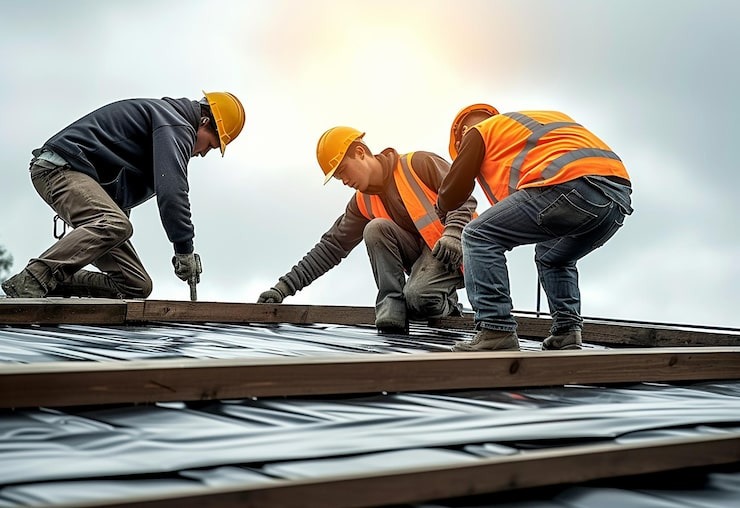
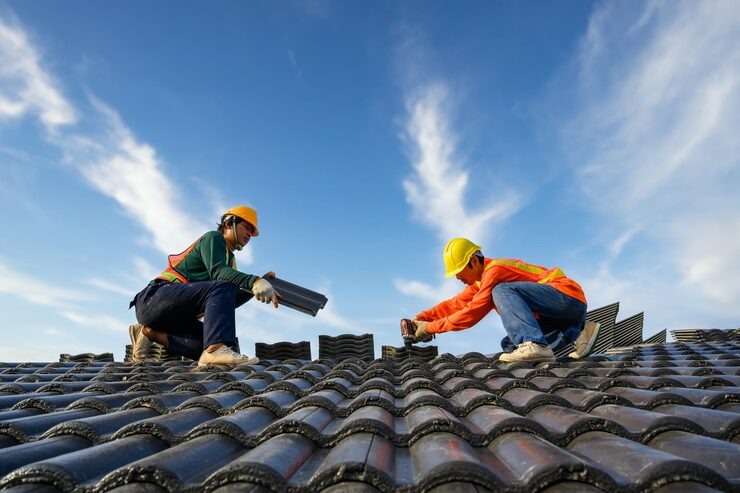
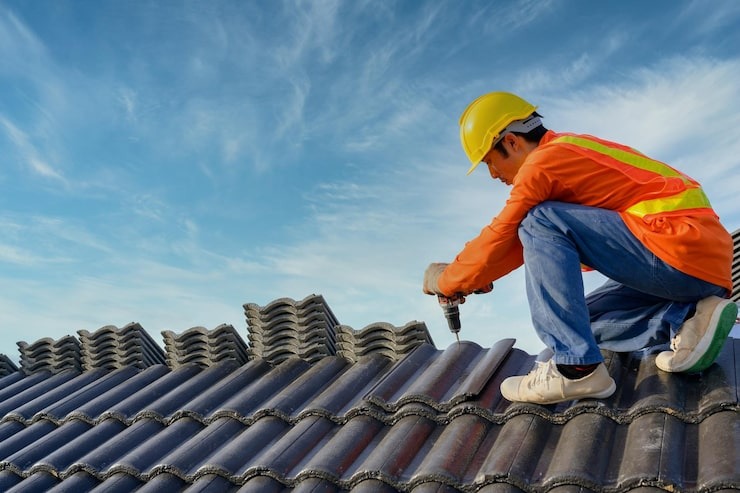
The primary roofing material is then installed according to the manufacturer’s requirements. This includes maintaining appropriate alignment, fastening materials correctly and addressing roof edges, ridges and penetrations.
The installation method depends on the roofing system selected for the home. A professional roofing contractor should follow the relevant product specifications and applicable requirements throughout the process.
Managing Wisconsin Weather During Installation
Weather is an important consideration for residential roof installation in Wisconsin. Roofing work may be affected by rain, snow, high winds and very low temperatures.
Some roofing materials have specific installation requirements related to temperature and weather. Adhesives, sealants and other products may not perform as intended when installed outside their recommended conditions.
For this reason, the timing of the project can matter. A contractor may need to adjust the work schedule if weather conditions make installation unsuitable or unsafe.
Final Roof Inspection
Once installation is complete, the roofing system should be checked carefully. The final inspection provides an opportunity to identify incomplete areas, installation concerns or visible defects.
The contractor may review roof edges, flashing, vents, penetrations, ridges and other key areas. They may also check that roofing materials are properly secured and that the work area is free from leftover installation debris.
A final inspection is important because it provides a last quality check before the project is considered complete.
Final Cleanup After Roof Installation
Cleanup is an essential part of a roofing project. Removing old roofing materials is only part of the process. Small pieces of roofing material, fasteners and other debris can also accumulate around the property during installation.
The work area should be checked carefully, including areas around the home’s exterior. Contractors may use ground protection and collection equipment during the project, followed by a final site cleanup.
Homeowners should also inspect the immediate outdoor area after the work is finished and raise any concerns about remaining debris with the contractor.
When Roof Damage Requires Repair Instead of Replacement
Not every roofing problem requires a complete residential roof installation. The appropriate solution depends on the age and condition of the roof, the extent of damage and the condition of the underlying system.
Minor problems, such as limited damage to individual roofing components, may sometimes be addressed through targeted roofing damage repair. More extensive deterioration, repeated leaks or widespread material failure may indicate that replacement is more practical.
A professional assessment can help distinguish between isolated repairs and conditions that affect the overall roofing system.
How Homeowners Can Prepare for a Roofing Project
Homeowners can take several practical steps before work begins. Keeping driveways and access areas clear can make it easier for the roofing team to move materials and equipment.
It is also useful to secure fragile outdoor items and communicate any property-specific concerns before installation starts. If there are known leaks, previous repairs or areas of concern, sharing that information during the inspection can help the contractor investigate them more closely.
Clear communication throughout the project can also help homeowners understand changes that may arise after the existing roof is removed.
Understanding the Complete Roofing Process
A residential roofing project is made up of several connected stages. Inspection identifies existing conditions, planning establishes the scope, preparation protects the property, removal exposes the underlying roof, repairs address damaged areas and installation creates the new roofing system.
The final inspection and cleanup then help confirm that the work has been completed properly and that the property is left in suitable condition. Understanding this sequence gives homeowners a clearer picture of what to expect when planning roofing work in Wisconsin.
For homeowners assessing their roofing needs, E2 Home Solutions can be contacted to discuss the property and determine the appropriate next steps. If you are considering a new roof, repair work or need further information, you can Contact us to discuss your requirements.