
Homeowners in Wisconsin face extreme temperature swings, from freezing winters to humid summers. One of the most effective ways to improve energy efficiency and comfort is by understanding and optimizing the R-value of various home components. R-value measures thermal resistance, and a higher R-value means better insulation. This article explores the impact of R-value on key areas of your home—roofing, siding, windows, doors, and bathrooms. Homeowners who decide to hire out the work can start with our window replacement services.
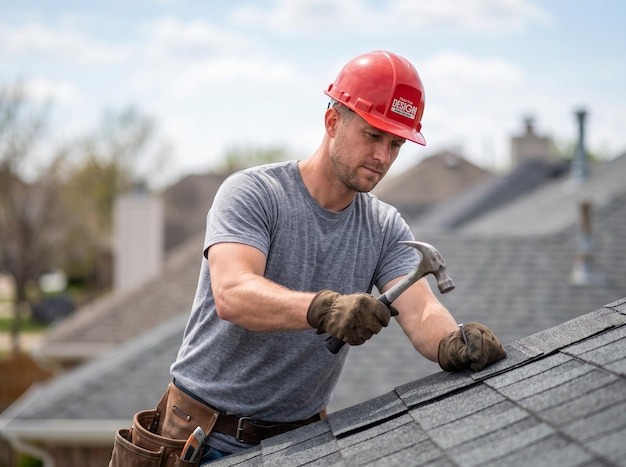
Roofing: The First Line of Defense
A well-insulated roof is crucial for maintaining a comfortable indoor environment, especially in Wisconsin’s harsh winters and humid summers. Without proper insulation, heat escapes in winter and accumulates in summer, leading to higher energy bills and reduced efficiency. For a specific product recommendation, look at our double-hung windows page.
- Recommended R-Value: In Wisconsin, the U.S. Department of Energy suggests an R-value of R-49 to R-60 for attic insulation.
- Ways to Improve: Consider adding blown-in fiberglass or cellulose insulation to reach optimal levels. However, keep in mind that loose-fill insulation may settle over time due to compression, which can slightly reduce its effectiveness. Proper installation techniques can help maintain its long-term efficiency.
- Radiant Barriers: While traditional insulation relies on R-value, radiant barriers can be used to reflect heat away from the living space, which may provide additional cooling benefits in warmer months.
- Benefits: Proper roofing insulation reduces heating and cooling costs and prevents issues like ice dams, which can cause significant damage.
Siding: A Protective Barrier
The exterior of your home plays a vital role in insulation, and siding acts as the first layer of defense against temperature fluctuations. Choosing the right siding material and adding proper insulation can help reduce energy loss and improve overall home efficiency. We also wrote our post on why Spring Is the Smartest Season for Window Replacement in Wisconsin, which pairs well with this guide.
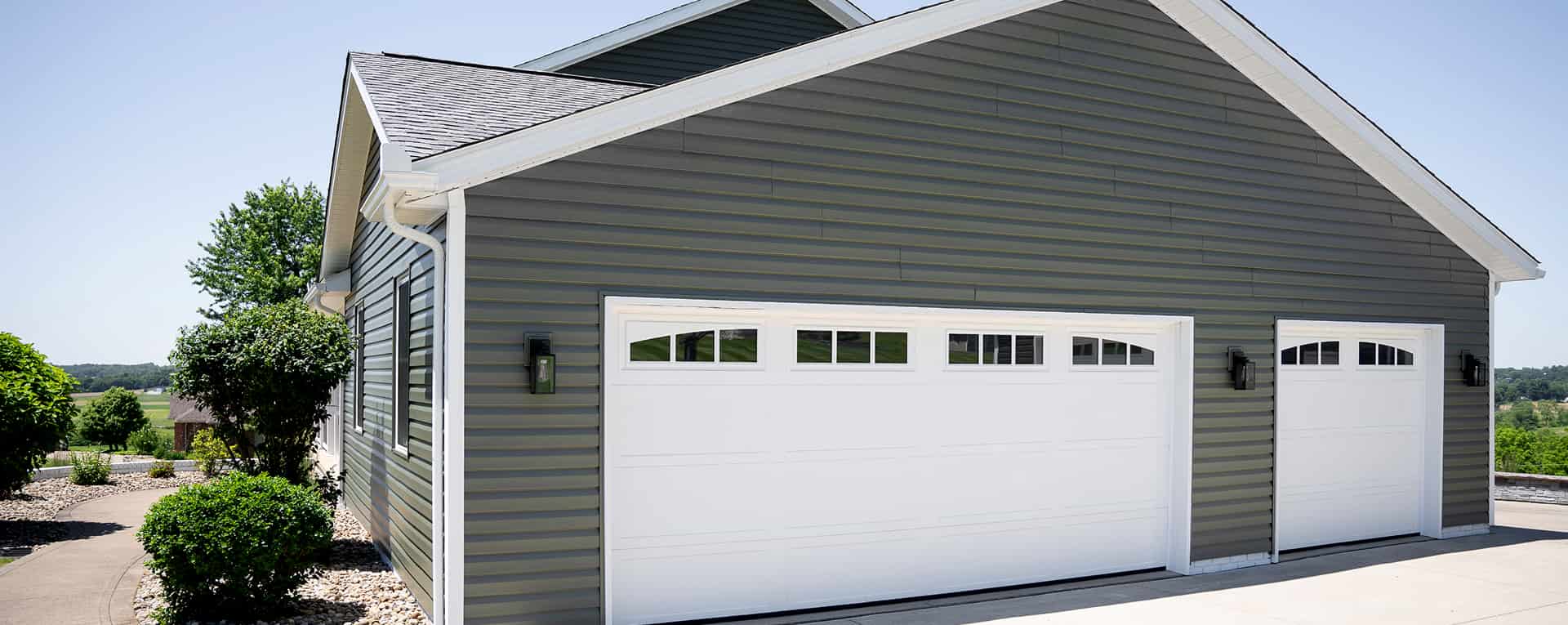
- Insulated Vinyl Siding: Standard vinyl siding has an R-value of about 0.61, but insulated options can range from R-2 to R-5.
- Fiber Cement Siding: Offers durability but has a lower R-value (~0.5). Pairing it with an external insulation board can enhance efficiency.
- Foam Board Insulation: Adding rigid foam insulation beneath the siding can increase overall wall R-value, reducing energy loss in winter.
- Thermal Bridging Considerations: Keep in mind that the overall R-value of a wall is lower than the insulation itself due to heat loss through studs, joists, and framing materials (thermal bridging). Properly installed continuous insulation can help reduce this effect.
- Benefits: Improved insulation reduces drafts, enhances home comfort, and lowers energy costs.
Windows: Enhancing Efficiency and Comfort
Windows are one of the biggest sources of heat loss in a home, especially in a cold climate like Wisconsin. Poorly insulated windows allow warm air to escape in winter and let in excess heat during summer, making your HVAC system work harder. For a local angle, see window replacement for Greendale homes, where we work on a lot of 1930s and 1940s village homes.
- Look for double or triple-pane glass with Low-E coatings and argon gas fills. Wisconsin’s cold climate benefits from windows with an R-value of at least R-3 to R-5.
- Weatherstripping & Caulking: Sealing air leaks around windows prevents drafts and boosts efficiency.
- Benefits: Higher R-values in windows improve indoor comfort, reduce heating and cooling costs, and prevent condensation issues.
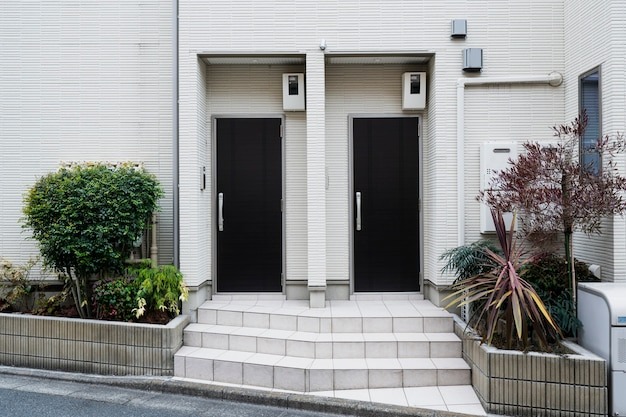
Doors: Keeping Heat Where It Belongs
Just like windows, doors can be a significant point of energy loss if they are not well-insulated. Air leaks and poor insulation can make it harder to regulate indoor temperatures, increasing energy consumption. If you are leaning toward casement windows, our page on casement windows in Wisconsin shows the options we install.
- Solid wood and steel doors typically have low insulation values unless they feature built-in foam insulation.
- Insulated fiberglass or steel doors can achieve R-values of R-5 or more.
- Weatherstripping & Sealing: Preventing drafts around doors significantly improves energy efficiency.
- Benefits: Well-insulated doors help maintain indoor temperatures, reducing heating and cooling costs.
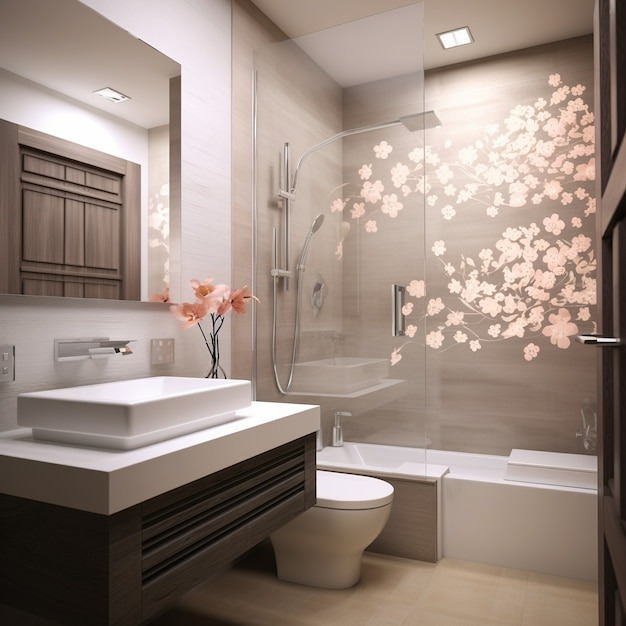
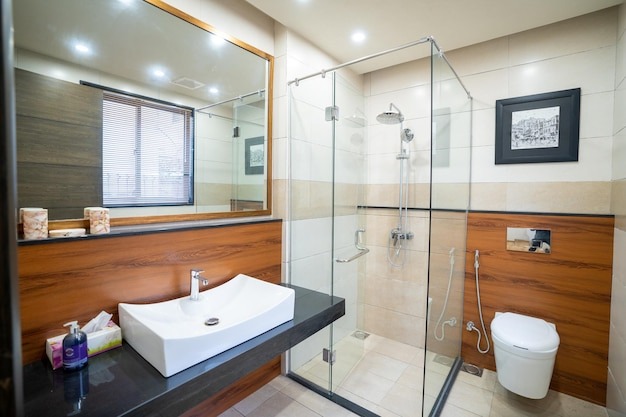
Bathrooms: Small Space, Big Energy Impact
Though bathrooms are smaller spaces, they still contribute to a home’s overall energy efficiency. Proper insulation in walls, floors, and ventilation systems ensures that heat isn’t lost unnecessarily while keeping moisture under control. A closely related topic is covered in our guide on how Energy-Efficient Windows Keep Wisconsin Homes Warmer All Winter.
- Insulated Walls: If a bathroom shares an exterior wall, proper insulation (R-13 to R-21) is essential to prevent heat loss.
- Energy-Efficient Ventilation: Bathroom fans remove humid air but can also lead to heat loss. Choose energy-efficient models with heat recovery ventilators (HRVs) to maintain warmth. Learn more about ventilation and preventing water damage in your Wisconsin Bathroom.
- Heated Floors: Radiant heating provides efficient warmth without excessive energy waste compared to forced-air heating.
- Benefits: Better insulation in bathroom walls and floors keeps the space comfortable while reducing overall energy waste.
Final Thoughts
For Wisconsin homeowners, optimizing R-value throughout the home is essential for energy efficiency, comfort, and cost savings. Upgrading insulation in roofing, siding, windows, doors, and even bathrooms can significantly reduce energy bills and improve indoor comfort. Learn more about how a new roof affects your energy bill.
Proper air sealing and moisture control are just as important as insulation itself. Sealing air leaks around windows, doors, and other areas of the home prevents heat loss and enhances the effectiveness of insulation. Managing moisture buildup helps prevent insulation degradation and improves long-term performance.
By making smart upgrades and ensuring proper installation, you’ll not only increase your home’s efficiency but also its long-term value. Contact E2 Home Solutions today to start your remodeling journey.
In Oconomowoc, where we work on a lot of lake homes, this comes up often; our page on Oconomowoc window replacement covers it.